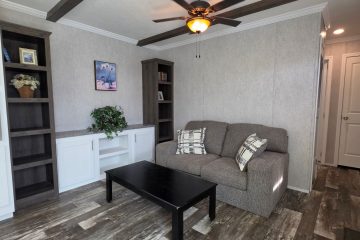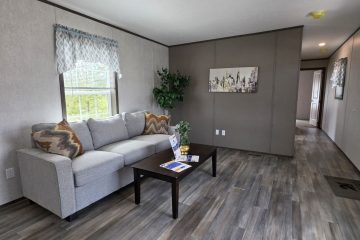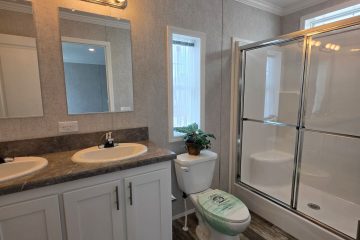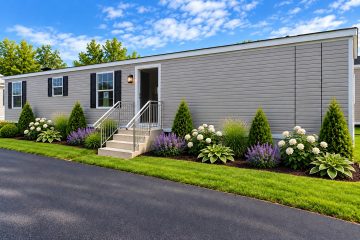
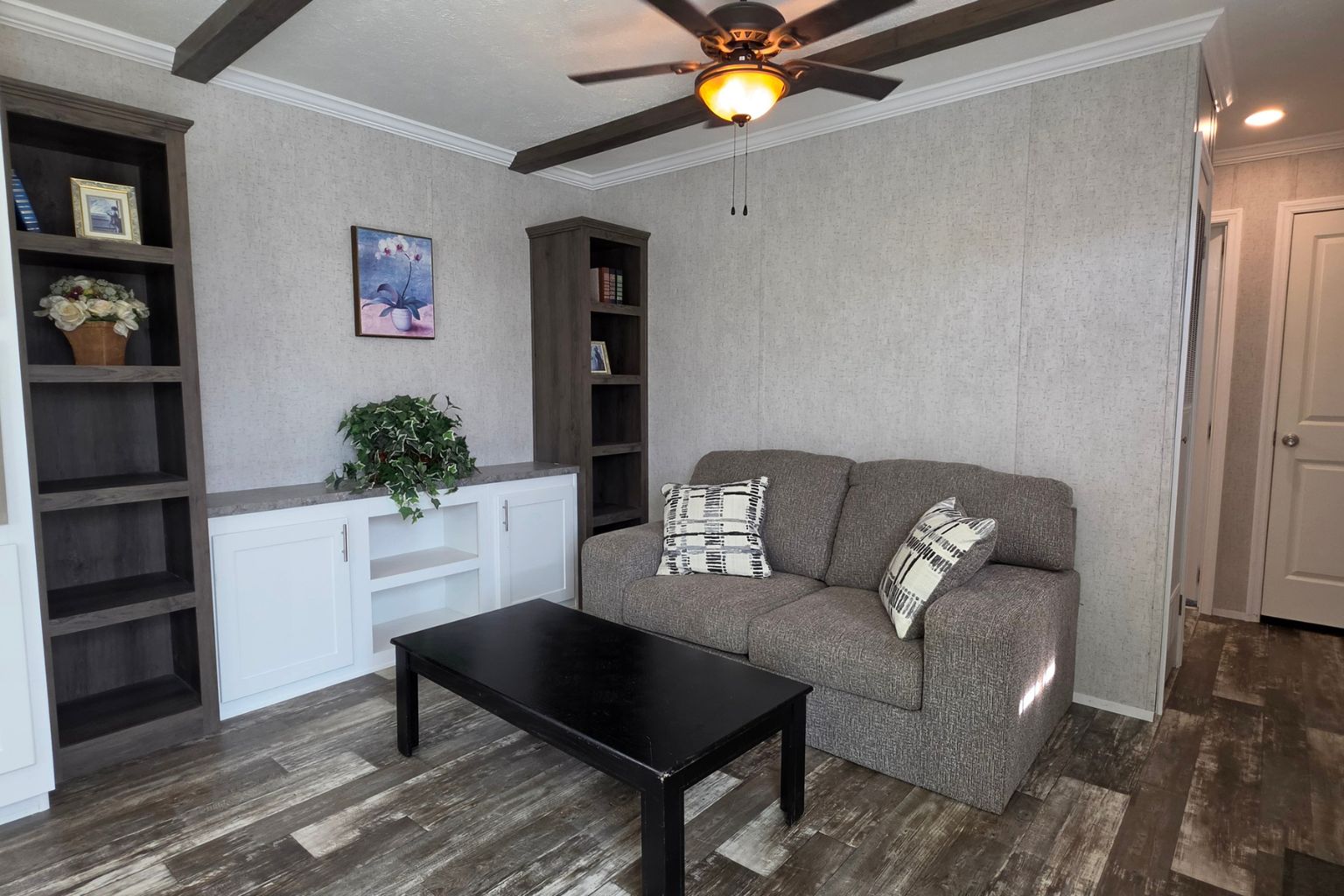
Buying a home is one of the biggest financial decisions most families make, so it is smart to ask what happens when it is time to sell. Modular home resale value is a common concern, and it is often clouded by outdated myths. The truth is simpler than most people expect: a well-built, properly installed modular home can hold its value just like a traditional home.
This guide explains what drives resale value, how modular homes are appraised, and what you can do today to protect your investment.
Do Modular Homes Hold Their Value?
Yes. Modular homes are built to the same state and local building codes as site-built houses, and when they are set on a permanent foundation, they are generally treated as real property. Their resale value depends on the same things as any other house: location, condition, size, and market demand.
Where the Myths Come From
Much of the doubt around modular home resale value comes from confusion with older mobile homes. The two are not the same. Modular sections are built indoors in a controlled factory, then transported and assembled on your foundation. Inspections happen throughout the build, and the finished home looks and performs like any other house on the street.
Key Factors That Affect Modular Home Resale Value
Permanent Foundation
A modular home placed on a full basement or a permanent foundation is typically viewed by appraisers as real estate. This single factor has a major influence on how lenders and buyers see the property.
Location and Land
The old real estate rule still applies. A home in a desirable neighborhood, near good schools, jobs, and services, tends to appreciate better. The land itself often carries a large share of a property’s long-term value.
Build Quality and Finishes
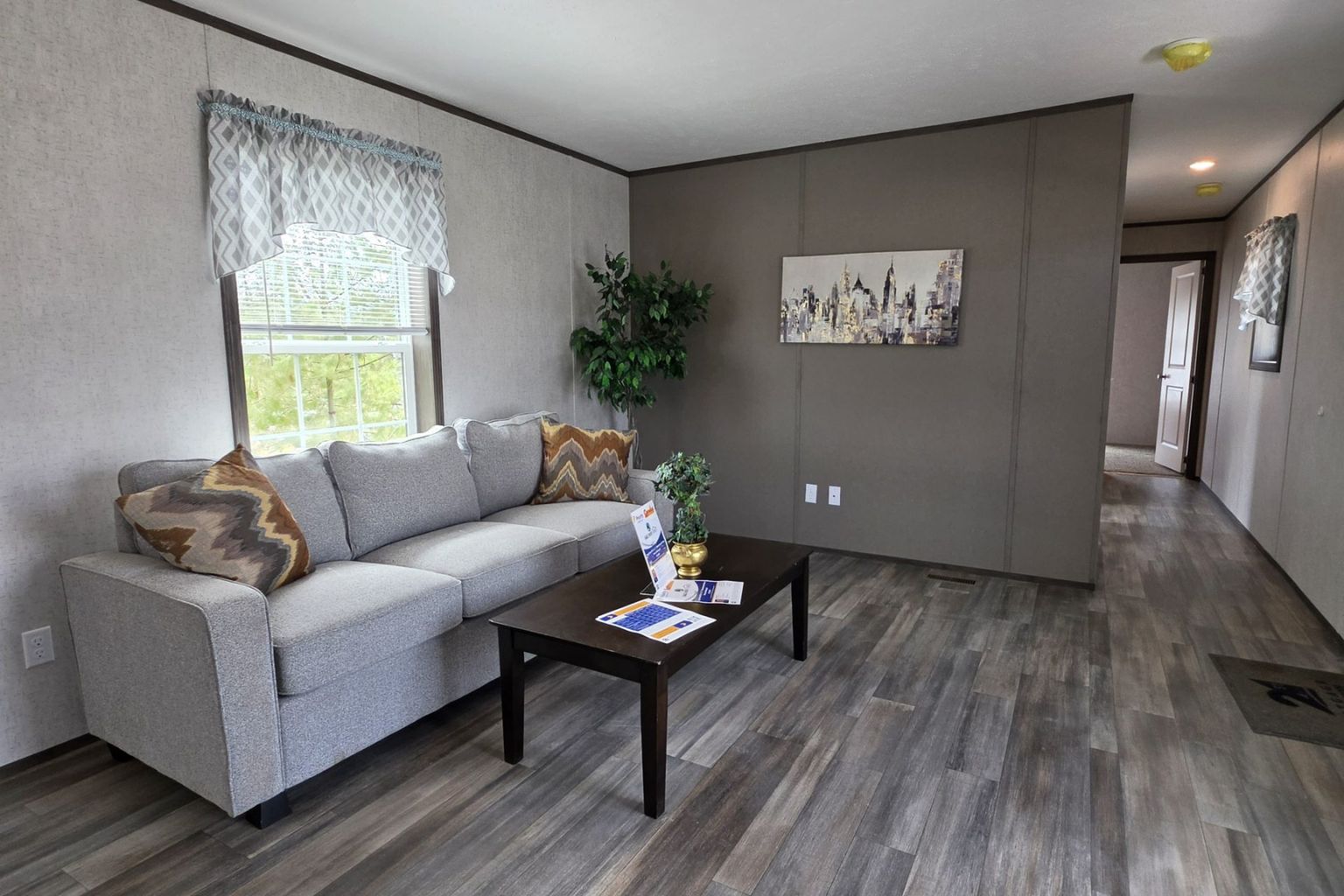
Buyers notice details. Quality siding, energy-efficient windows, solid roofing, and thoughtful interior finishes all help your home stand out when it is listed.
Floor Plan and Curb Appeal
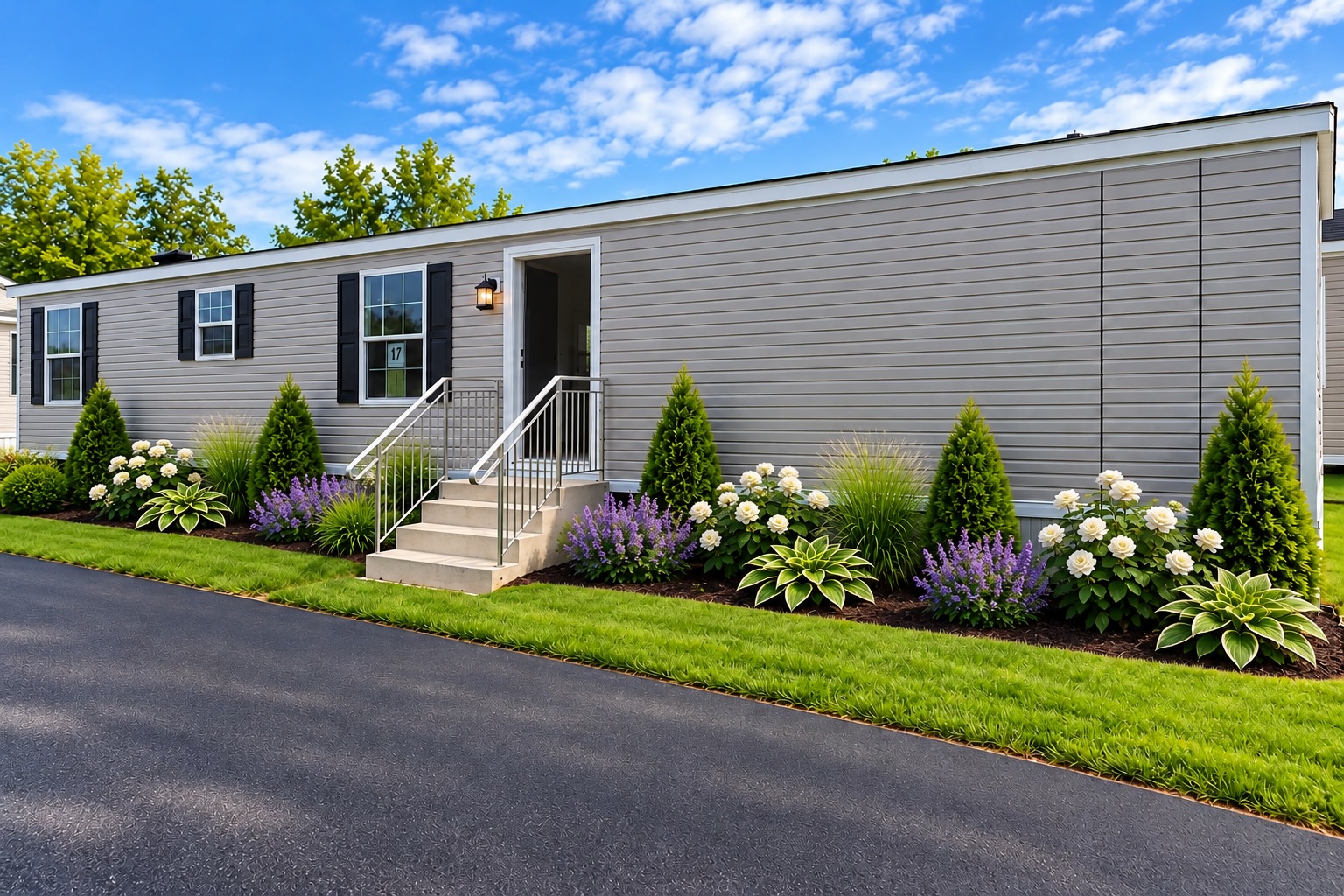
Open layouts, functional kitchens, extra bedrooms, and attached garages are consistently popular. Add landscaping and a clean exterior, and first impressions work in your favor.
Maintenance and Upkeep
A well-kept home sells faster and for more. Keep records of repairs and improvements so you can show buyers the home has been cared for.
Modular vs. Manufactured: Why the Difference Matters
Modular homes follow the same local and state codes as site-built houses. Manufactured homes are built to a federal HUD code instead. That difference affects financing, appraisals, and how buyers perceive value. Knowing which one you are buying helps you set realistic expectations.
How Appraisers and Lenders View Modular Homes
Appraisers usually compare your home to similar properties nearby. When a modular home is on a permanent foundation, comparable sales may include both modular and site-built houses. Lenders generally offer conventional mortgage options for these homes, which keeps the buyer pool wide when you sell.
7 Ways to Protect Your Modular Home Resale Value
- Choose a lot in a location with steady demand.
- Invest in a quality foundation and professional installation.
- Select durable, energy-efficient materials.
- Stay on top of seasonal maintenance, such as roof, gutters, and HVAC.
- Refresh paint, flooring, and fixtures before listing.
- Keep permits, warranties, and inspection reports organized.
- Work with an experienced local builder who stands behind the home.
Why Upfront Pricing Matters
A clear price makes it easier to understand your total investment and your future return. At Camelot Home Centers, pricing includes delivery and set up, so you know what you are paying for from day one, with fewer surprises later.
Ready to Build with Modular Home Resale Value in Mind?
If you want a home that looks great today and holds its worth tomorrow, talk to the team at Camelot Home Centers. Visit cm-h.com to explore floor plans, or call (603) 286-4624 to discuss your goals and get a quote that includes delivery and set up.