
Uncategorized
Mistakes to Avoid When Buying Your First Modular or Manufactured Home
Buying your first modular or manufactured home is exciting, but it’s also a major financial decision with a lot of moving parts. Many first-time buyers run into avoidable delays, unexpected costs, or mismatched expectations simply because no one warned them what to watch for. If you’re exploring modular homes in New Hampshire, here are the most common mistakes buyers make and how to steer clear of them. Mistake #1: Confusing Modular and Manufactured Homes One of the most frequent points of confusion is treating “modular” and “manufactured” as interchangeable terms. They’re built differently and regulated differently: This distinction affects financing, insurance, zoning, and resale value. Before you start shopping, know which type fits your goals, budget, and the land you’re considering zoning laws in many New Hampshire towns treat the two differently. Mistake #2: Not Researching the Land First It’s easy to fall in love with a floor plan before confirming the land can actually support it. Before committing to a home, check: Buying land without confirming it’s suitable for the home you want is one of the costliest mistakes a first-time buyer can make. Mistake #3: Underestimating Total Costs The price tag on a floor plan is rarely the final number. First-time buyers frequently forget to budget for: A reputable builder should walk you through a full itemized estimate before you sign anything, so there’s no gap between what you expected to pay and what you actually owe. Mistake #4: Skipping the Financing Pre-Approval Step Financing for modular and manufactured homes works differently depending on the type of home and whether it will sit on owned land or leased land. Common financing paths include: Getting pre-approved before you shop tells you your real budget and prevents you from falling for a floor plan that’s ultimately out of reach. It also speeds up the process once you’ve chosen a home. Mistake #5: Choosing the Cheapest Builder Without Checking Their Track Record Price matters, but it shouldn’t be the only factor. A builder with a poor track record can cost you far more in the long run through delays, subpar craftsmanship, or poor communication. Before signing a contract, ask: Working with an experienced, local team like Camelot Home Centers means you have one point of contact who understands New Hampshire’s permitting process and can anticipate issues before they become expensive problems. Mistake #6: Not Planning for Timeline Realities Modular and manufactured homes are built faster than traditional site-built homes, but “faster” doesn’t mean instant. Site work, permitting, and utility hookups all take time, and weather can affect scheduling for excavation and foundation work. First-time buyers sometimes assume they’ll be moved in within weeks, only to be frustrated when the realistic timeline is a few months. Ask your builder for a detailed, honest timeline upfront, including what could cause delays. Mistake #7: Overlooking Customization Limits Modular homes offer more design flexibility than many people expect, but there are still limits based on transportation size restrictions and factory production processes. If a specific layout, ceiling height, or feature is a must-have, confirm early whether it’s achievable rather than assuming every custom request is possible after you’ve already put down a deposit. Mistake #8: Not Asking About Warranty Coverage Warranty terms vary between builders and manufacturers, and coverage may differ for structural components, systems (plumbing, electrical, HVAC), and finishes. Get warranty details in writing before signing, and clarify who you contact for service the manufacturer, the retailer, or both. How to Avoid These Mistakes The common thread across nearly all of these pitfalls is working with a knowledgeable, local team from the start. A builder who understands New Hampshire zoning, financing options, and site conditions can flag problems before they cost you time or money. Frequently Asked Questions What’s the main difference between modular and manufactured homes? Modular homes are built to local and state building codes and placed on a permanent foundation, while manufactured homes are built to a federal HUD code and sit on a steel chassis. This affects zoning, financing, and resale value. Do I need to own land before I buy a modular home? Not necessarily some buyers purchase land and a home together, while others already own suitable land. It’s important to confirm your land is zoned appropriately and has practical access to utilities before finalizing your home choice. How much should I budget beyond the home’s base price? Beyond the base price, plan for site work, foundation, utility hookups, permits, and delivery/set costs. Depending on your lot, these can add a substantial percentage to your total project cost, so get a full estimate early. Can I customize a modular home’s layout? Yes, to a degree. Many manufacturers offer multiple layout and finish options, though some structural changes may be limited by transportation size restrictions and factory processes. How long does it typically take to move into a new modular home? Timelines vary by project, but many buyers move in within a few months of signing, factoring in permitting, site preparation, and the build/set schedule. Talk to a Local Team Before You Buy Avoid the guesswork on your first modular or manufactured home purchase. Camelot Home Centers has guided New Hampshire families through every step of the process, from land evaluation to move-in day. Call (603) 286-4624 to start your journey with a team that knows the local market.

Home Buying
Mobile Homes
Modular Homes
Uncategorized
Modular Homes vs. Manufactured Homes: Understanding the Key Differences
If you’re exploring Modular Homes New Hampshire buyers can choose from, you’ve probably noticed that “modular” and “manufactured” homes are often mentioned in the same breath. They look similar, they’re both built off-site in a factory, and they both get delivered to your property ready for final assembly. But underneath the surface, these are two very different types of housing with different building codes, financing options, resale value, and long-term durability. Choosing the wrong category for your needs can cost you thousands of dollars in financing, taxes, and resale value down the road. At Camelot Home Centers, we help New Hampshire families sort through these details every day, so let’s break down exactly what separates a modular home from a manufactured home. What Is a Modular Home? A modular home is built in sections, or “modules,” inside a climate-controlled factory. Once construction wraps up, those modules are transported to your property and assembled on a permanent foundation a crawl space, basement, or slab. The defining feature of a modular home is that it must meet the same state and local building codes as a traditional site-built house. In New Hampshire, that means modular homes follow the same structural, electrical, and plumbing standards inspectors apply to any stick-built residence in your town. Key characteristics of modular homes: Built to state and local residential building codes (IRC-based) Installed on a permanent foundation Classified as real property, just like a site-built home Eligible for conventional mortgages, FHA, and VA loans Highly customizable floor plans, finishes, and add-ons Comparable resale value to a site-built home What Is a Manufactured Home? A manufactured home the modern term for what used to be called a “mobile home” or “trailer” is also factory-built, but it follows a completely different rule book. Instead of local building codes, manufactured homes are constructed to the federal HUD Code, a nationwide standard established in 1976. Manufactured homes are built on a permanent steel chassis, which allows them to be transported in one piece (or as single-, double-, or triple-wide sections) and set on piers, a foundation, or in a manufactured home community. Key characteristics of manufactured homes: Built to the federal HUD Code, not local building codes Constructed on a permanent steel chassis Can be classified as personal property (like a vehicle) unless placed on owned land with a permanent foundation Typically financed with chattel loans or specialized manufactured home loans, often at higher interest rates Lower upfront cost than modular or site-built homes More limited customization, though modern models offer improved styles and layouts Modular Homes vs. Manufactured Homes: Side-by-Side Comparison Feature Modular Homes Manufactured Homes Building Code State/local codes (same as site-built) Federal HUD Code Foundation Permanent (basement, crawl space, slab) Steel chassis; may or may not sit on permanent foundation Property Classification Real property Often personal property Financing Conventional, FHA, VA mortgages Chattel loans, specialized manufactured loans Customization Extensive Moderate Resale Value Similar to site-built homes Typically depreciates faster Construction Time Weeks to a few months Weeks Weather Delays Minimal (built indoors) Minimal (built indoors) Why the Building Code Difference Matters So Much The building code a home is constructed to affects nearly everything that happens after move-in day. Because modular homes must meet the same code as a site-built house in your New Hampshire town, they’re treated identically by local building departments, tax assessors, and mortgage lenders. That translates into broader financing options and stronger long-term equity. Manufactured homes, built under the HUD Code, follow a single nationwide standard rather than New Hampshire’s specific local requirements. This keeps production efficient and costs lower, but it also means manufactured homes are often classified as personal property rather than real estate similar to how a car is titled unless the home is permanently affixed to land the owner also owns. Cost Considerations Manufactured homes generally carry a lower sticker price, which makes them appealing for buyers prioritizing affordability or planning to place a home in a manufactured home community. Modular homes typically cost more upfront but tend to hold their value better over time because they’re classified and appraised the same way a traditional home would be. For many New Hampshire buyers, the smarter long-term investment comes down to how long you plan to stay in the home, whether you own the land, and how much financing flexibility you need. Which Option Is Right for You? There’s no universal “better” choice it depends on your goals: Choose a modular home if you want long-term equity, stronger resale value, traditional mortgage financing, and a home that’s virtually indistinguishable from a site-built house once installed. Choose a manufactured home if affordability and speed are your top priorities, or you plan to place the home in a manufactured home community rather than on owned land. Whichever direction fits your situation, working with an experienced local retailer makes the process far less overwhelming. Why Buy Through Camelot Home Centers Camelot Home Centers has helped New Hampshire families navigate the modular and manufactured home buying process for years, from choosing the right floor plan to coordinating site work, permitting, and financing. Our team walks you through the pros and cons specific to your property, budget, and timeline, so you’re not guessing which option fits. Ready to compare your options in person? Visit cm-h.com or call (603) 286-4624 to speak with our team today. Frequently Asked Questions Are modular homes and manufactured homes the same thing? No. Modular homes are built to the same state and local building codes as site-built homes, while manufactured homes follow the federal HUD Code and sit on a permanent steel chassis. Which is cheaper: a modular home or a manufactured home? Manufactured homes generally have a lower upfront cost. Modular homes cost more initially but tend to hold their value better over time. Can I get a traditional mortgage for a modular home in New Hampshire? Yes. Because modular homes are classified as real property, most buyers qualify for conventional, FHA, or VA mortgage financing, just like a site-built home. Do
Recent Posts
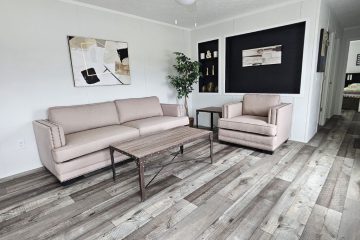
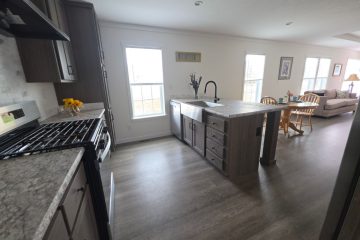
Colony A32093
$131,995
Colony DE3030
$150,995