
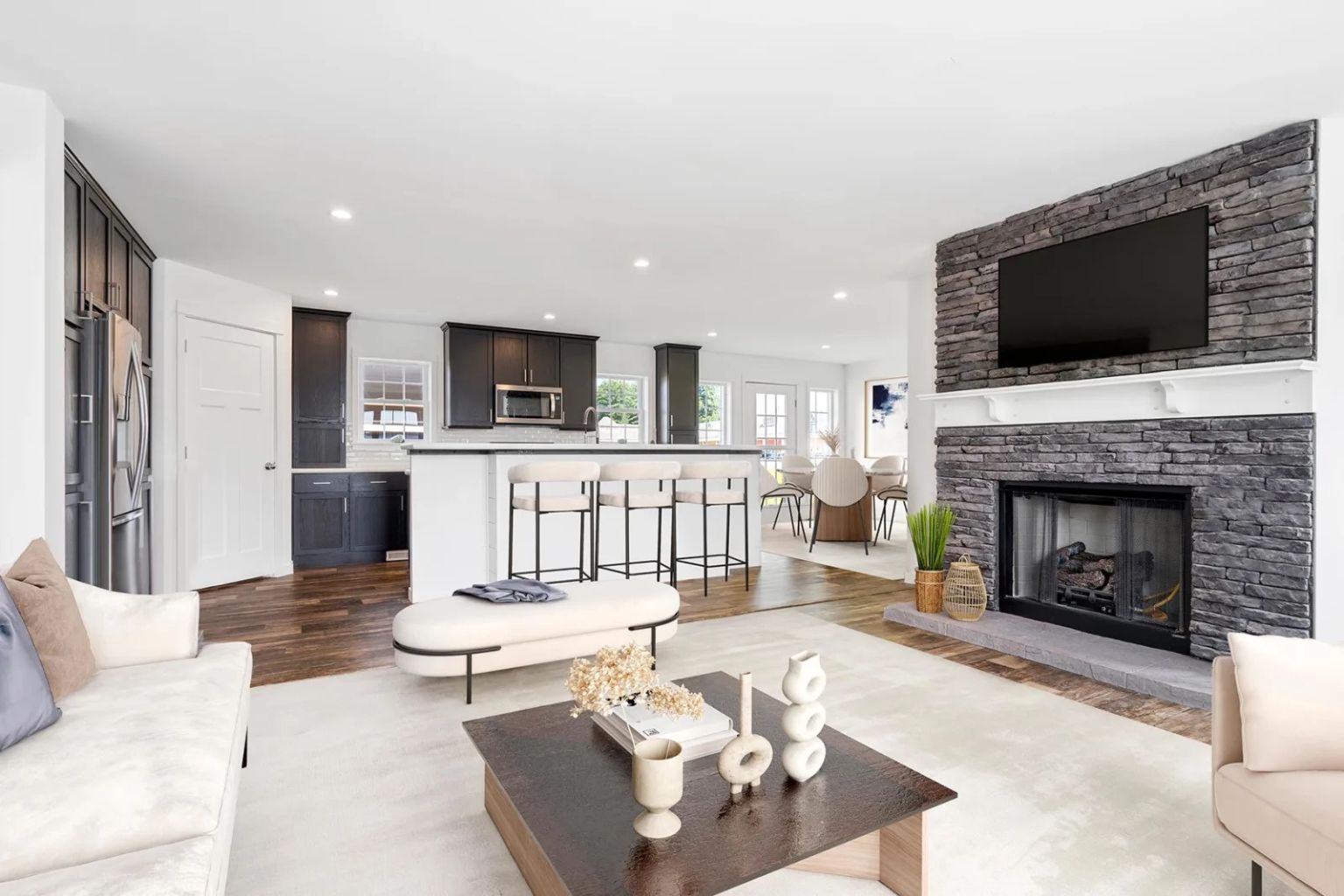
MODULAR HOMES
Modular homes are precision-built in a controlled factory setting and assembled on-site, offering high-quality construction, modern designs, and the durability.
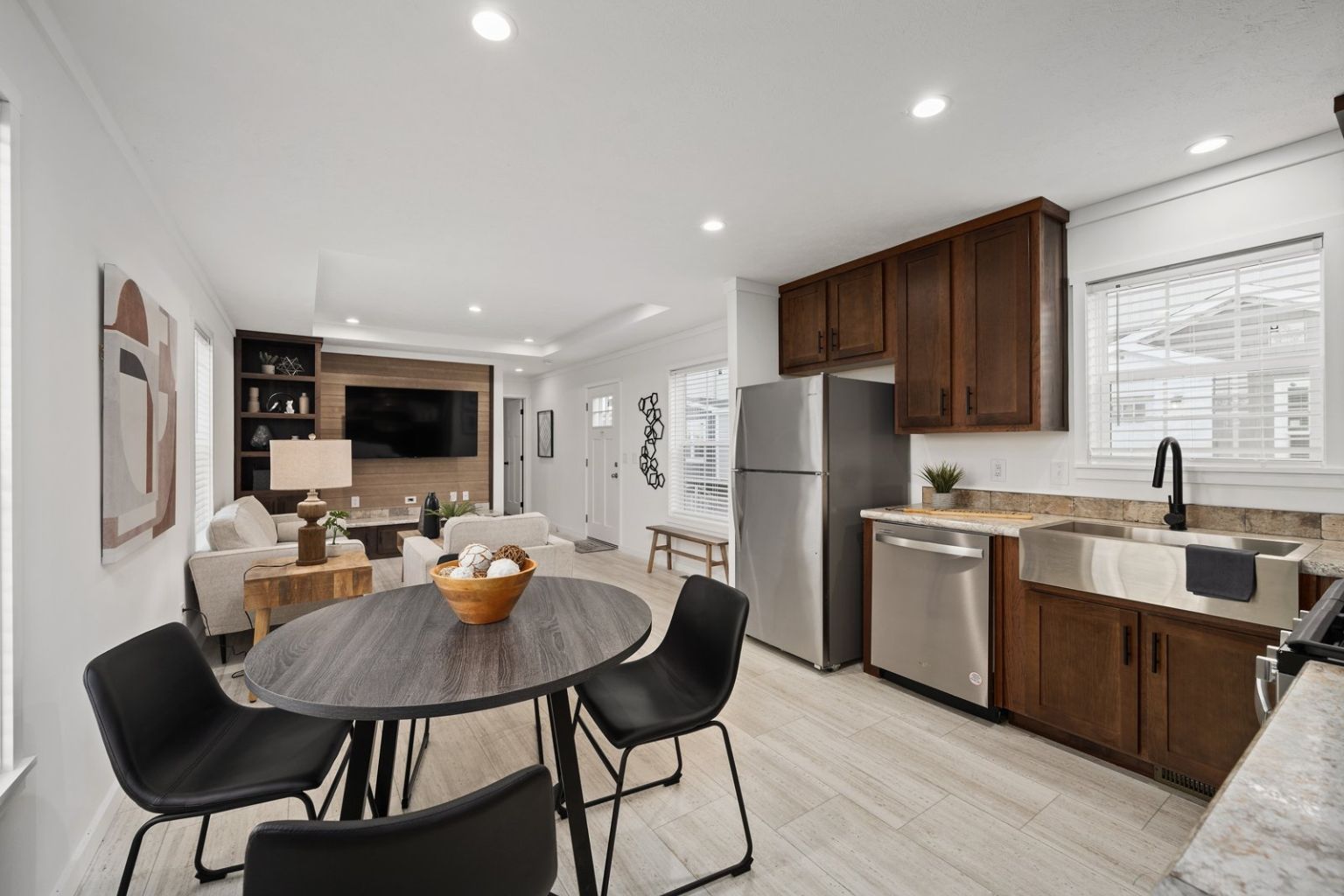
MANUFACTURED & MOBILE HOMES
Manufactured & Mobile Homes are factory-built homes constructed to federal HUD standards, offering affordable, energy-efficient living.
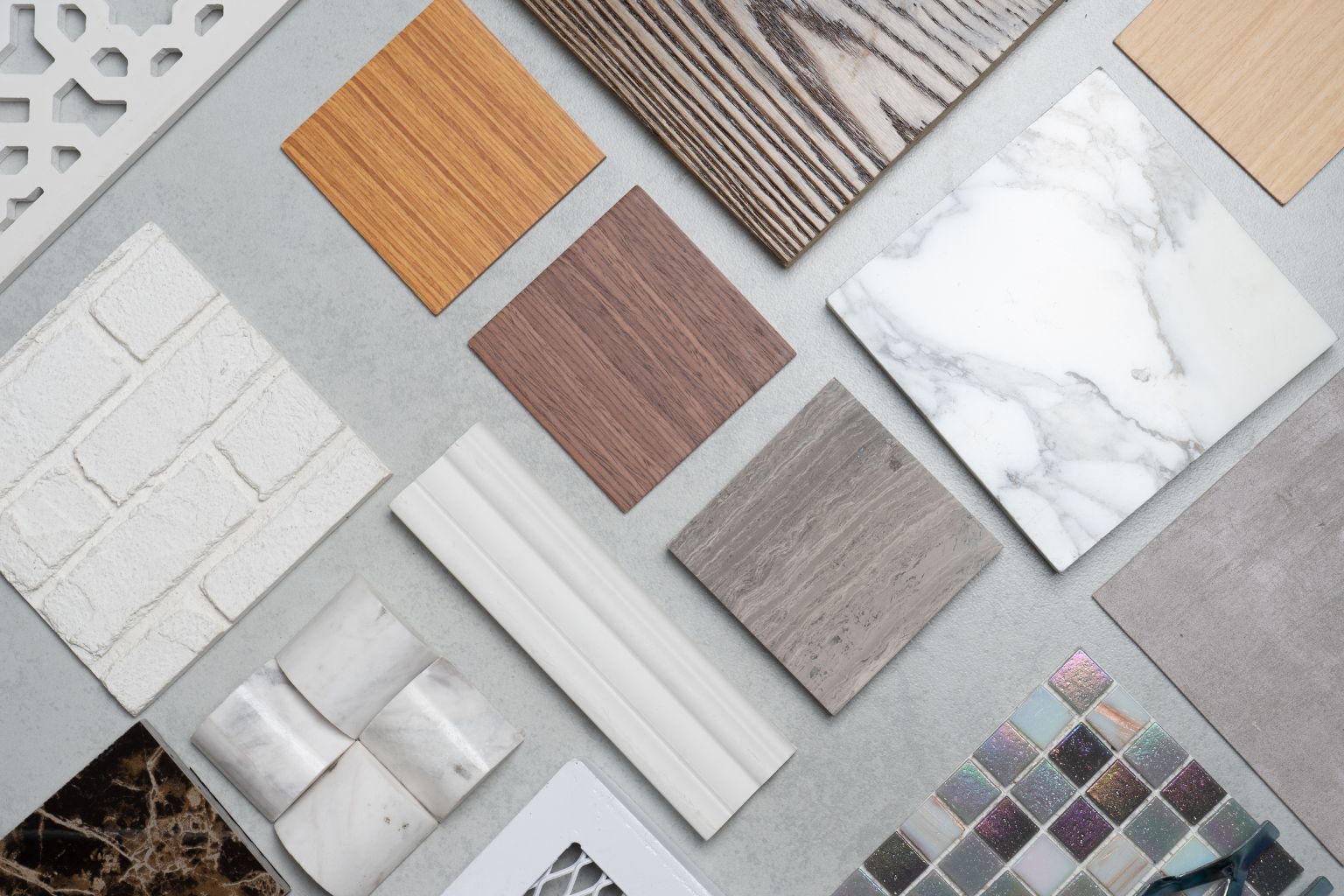
DECOR OPTIONS
Schedule an appointment today to explore our full range of decor options and see how you can personalize every detail of your new home.
All
Modular Home
Manufactured - Mobile Home
Prior Models


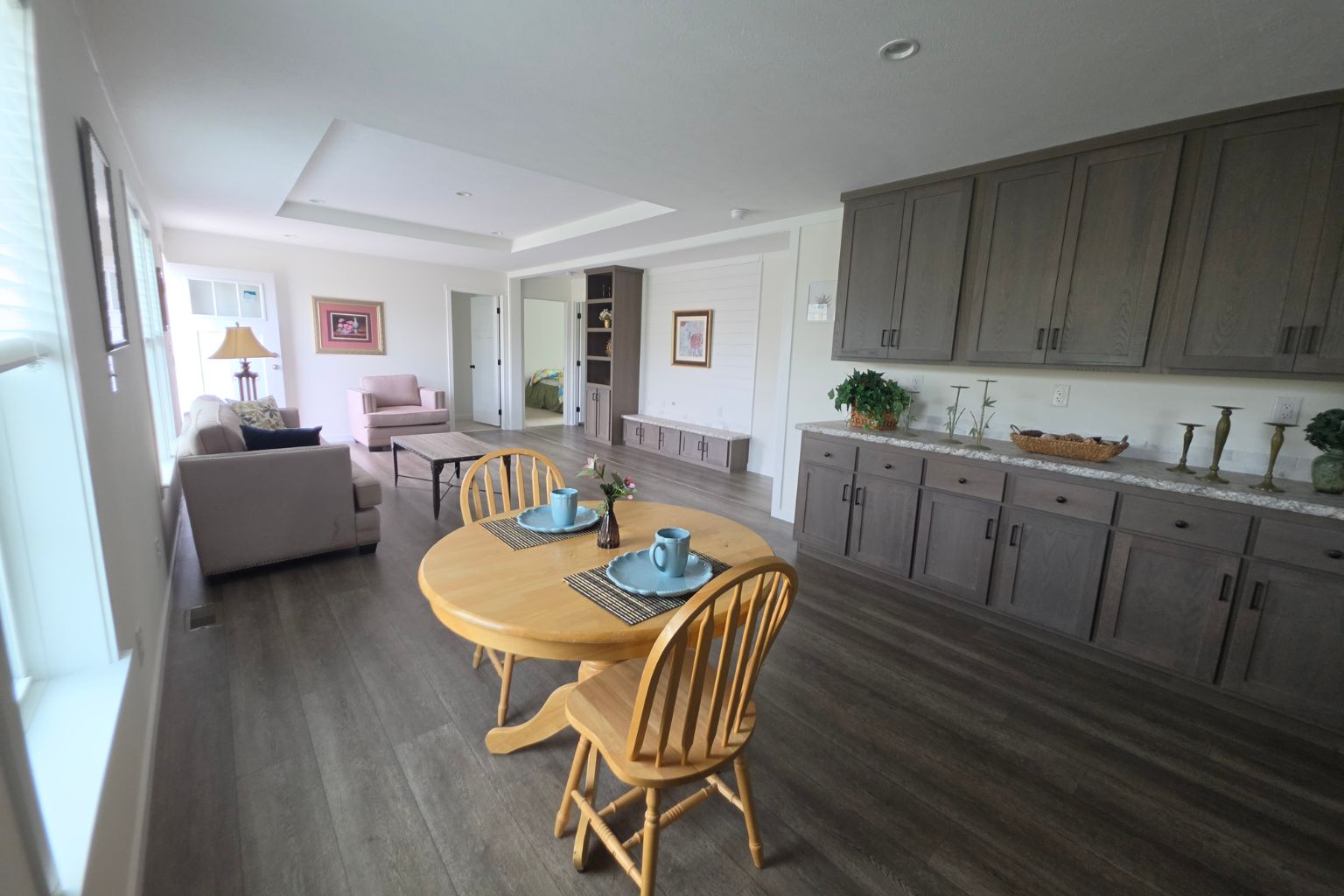


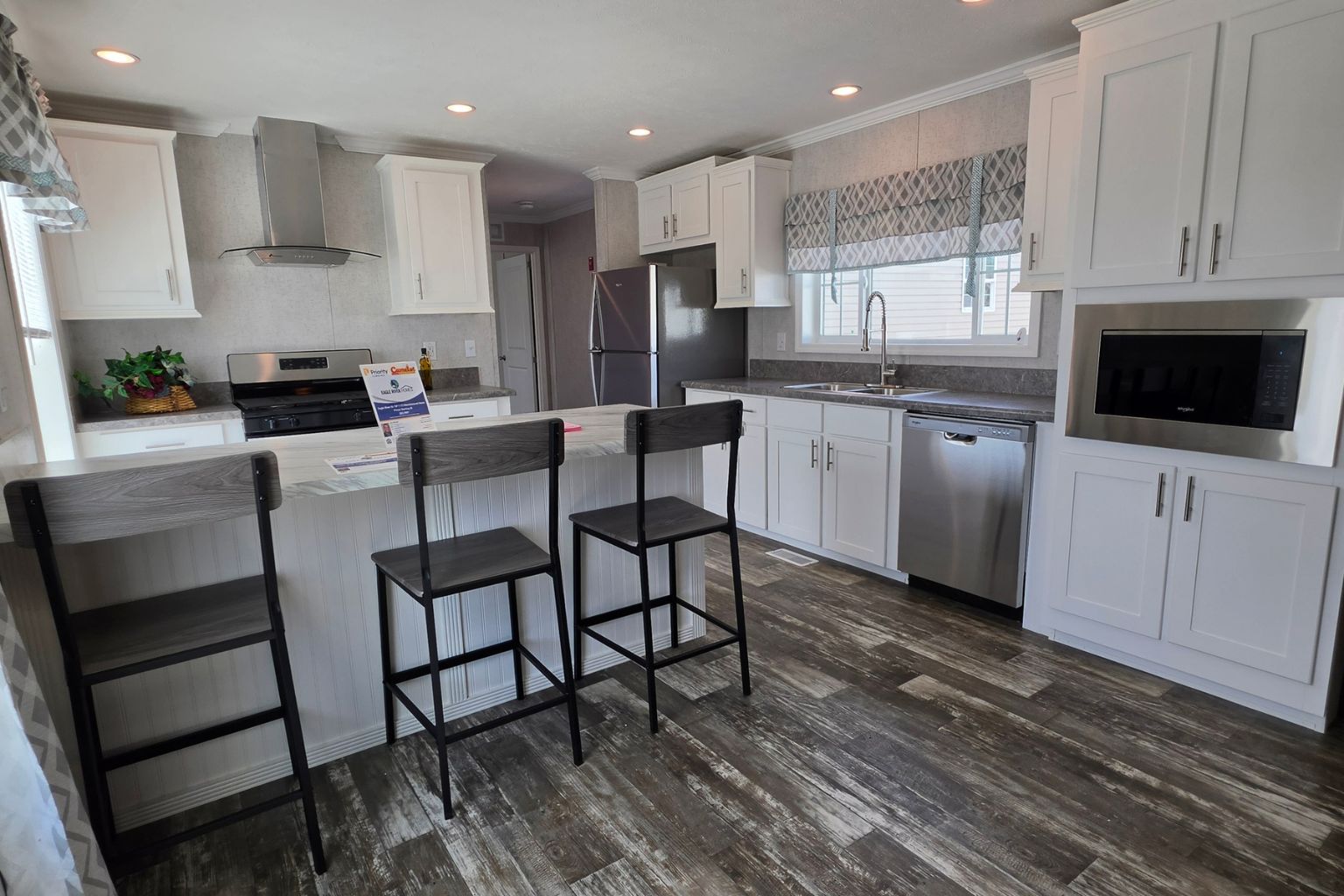


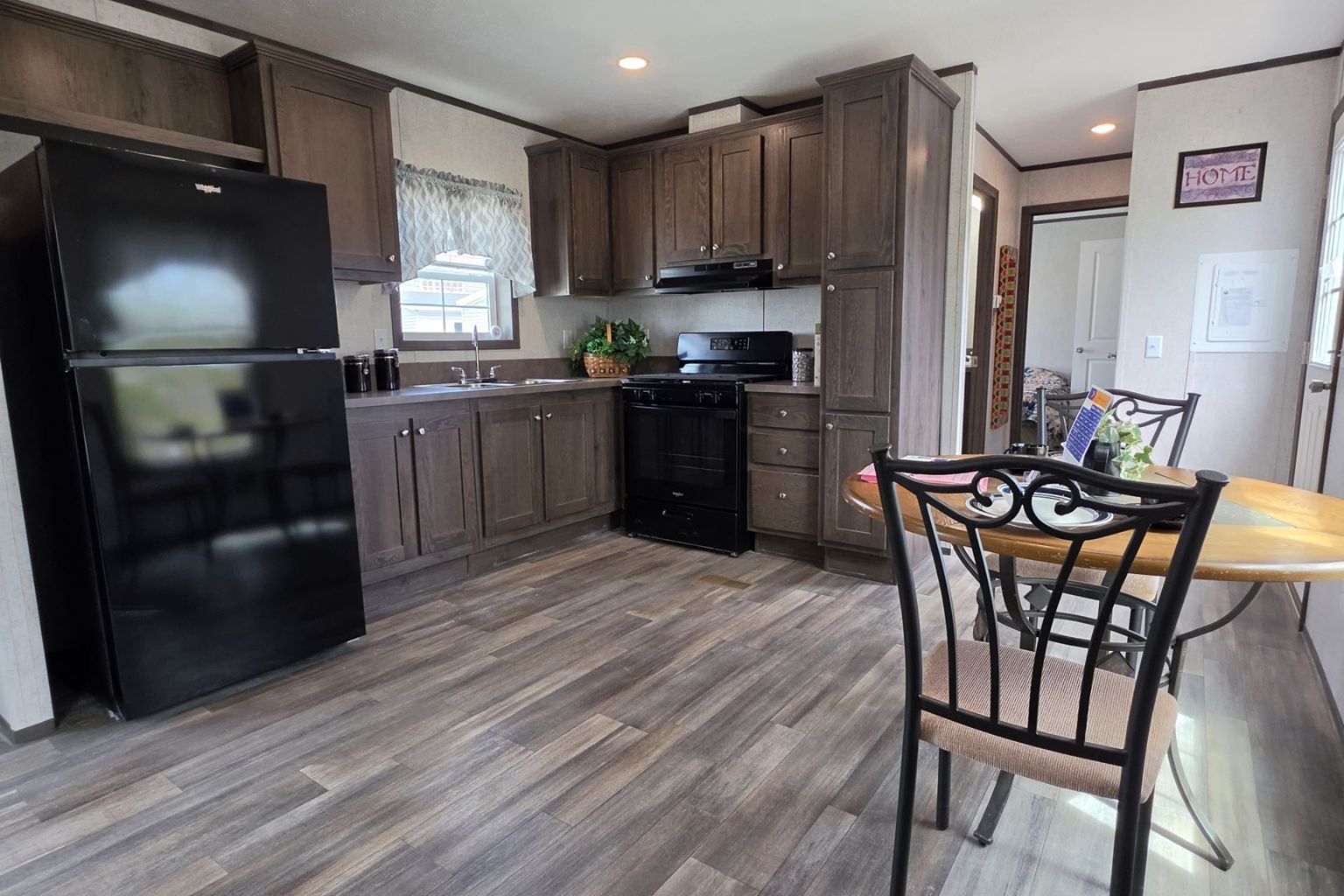


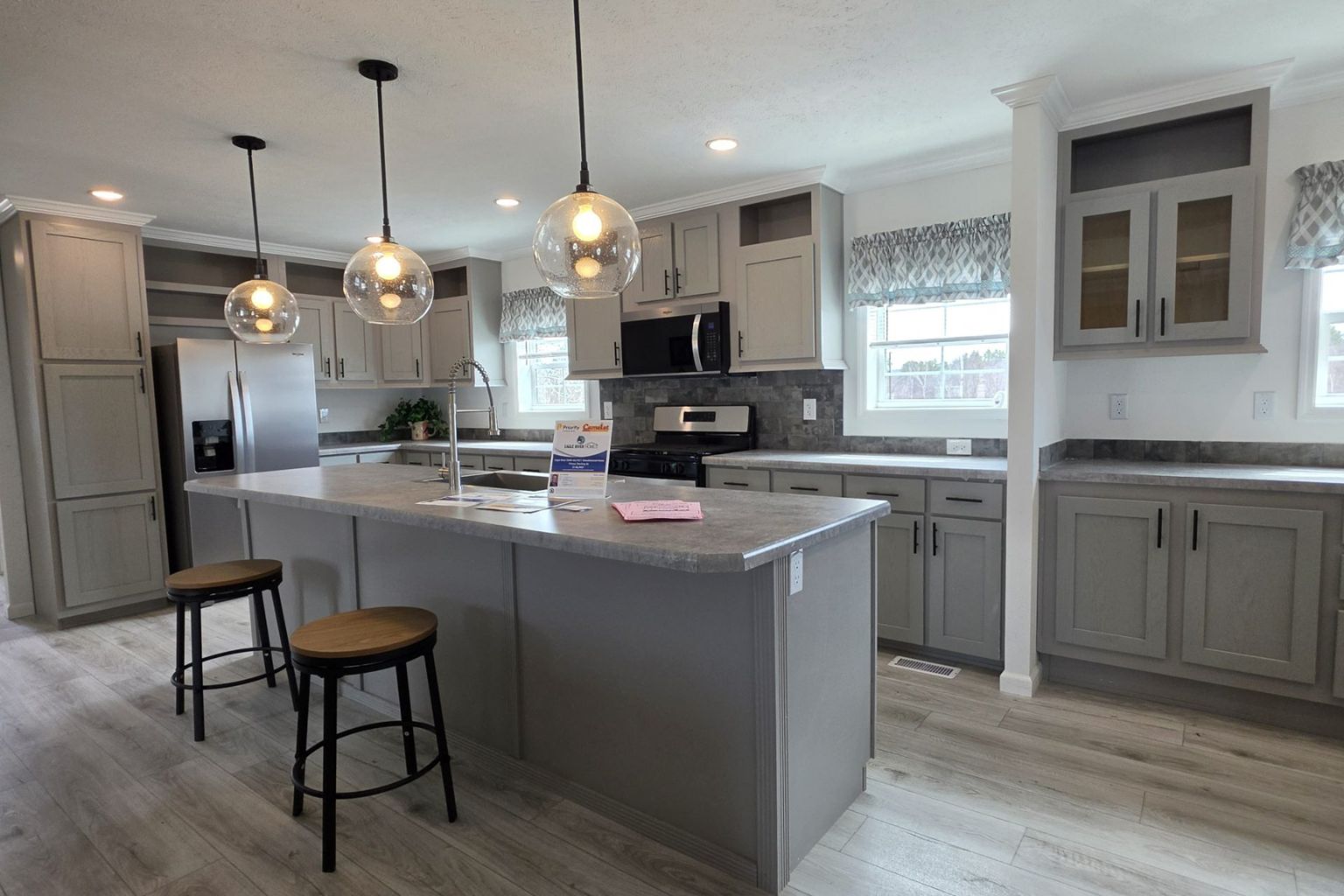
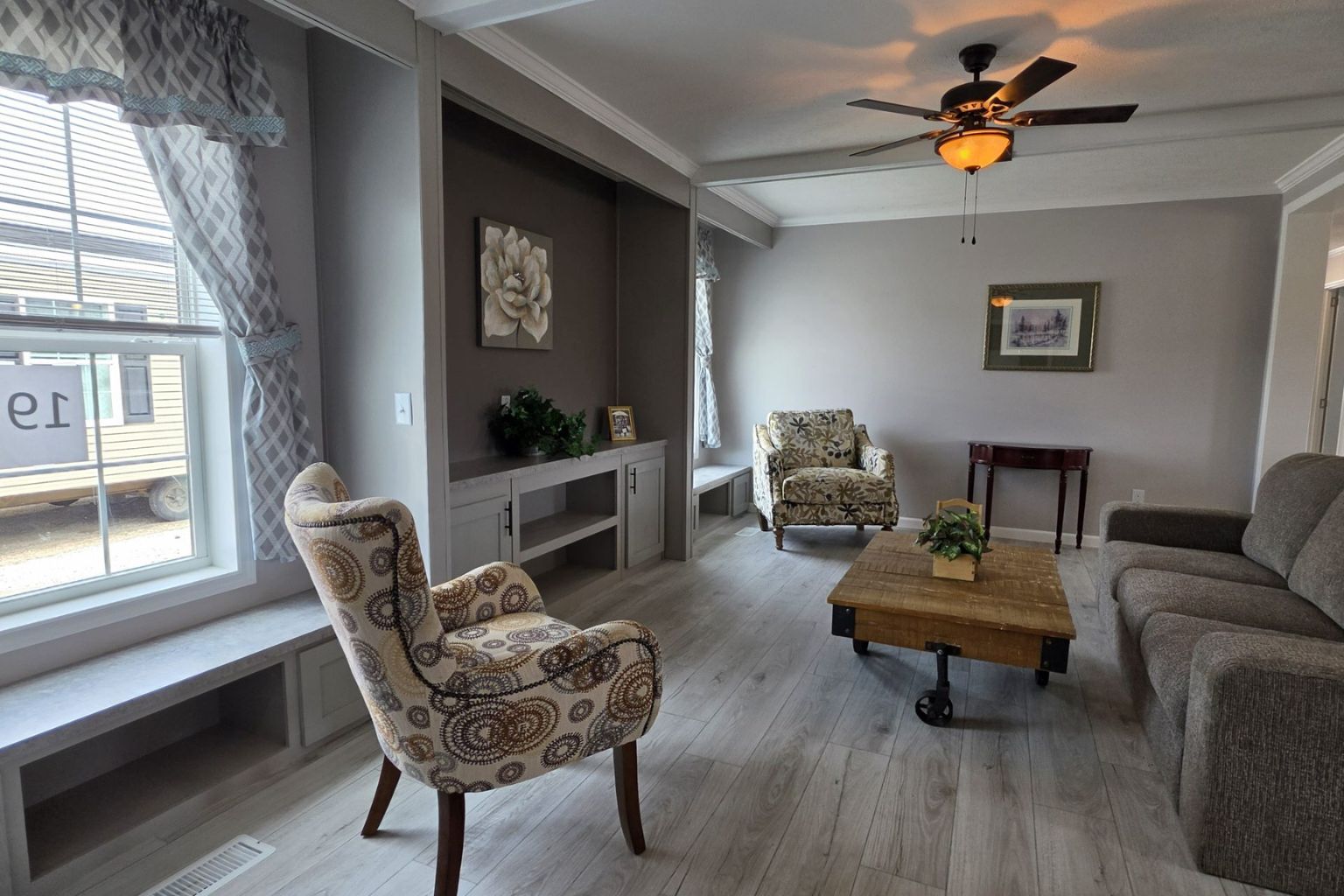


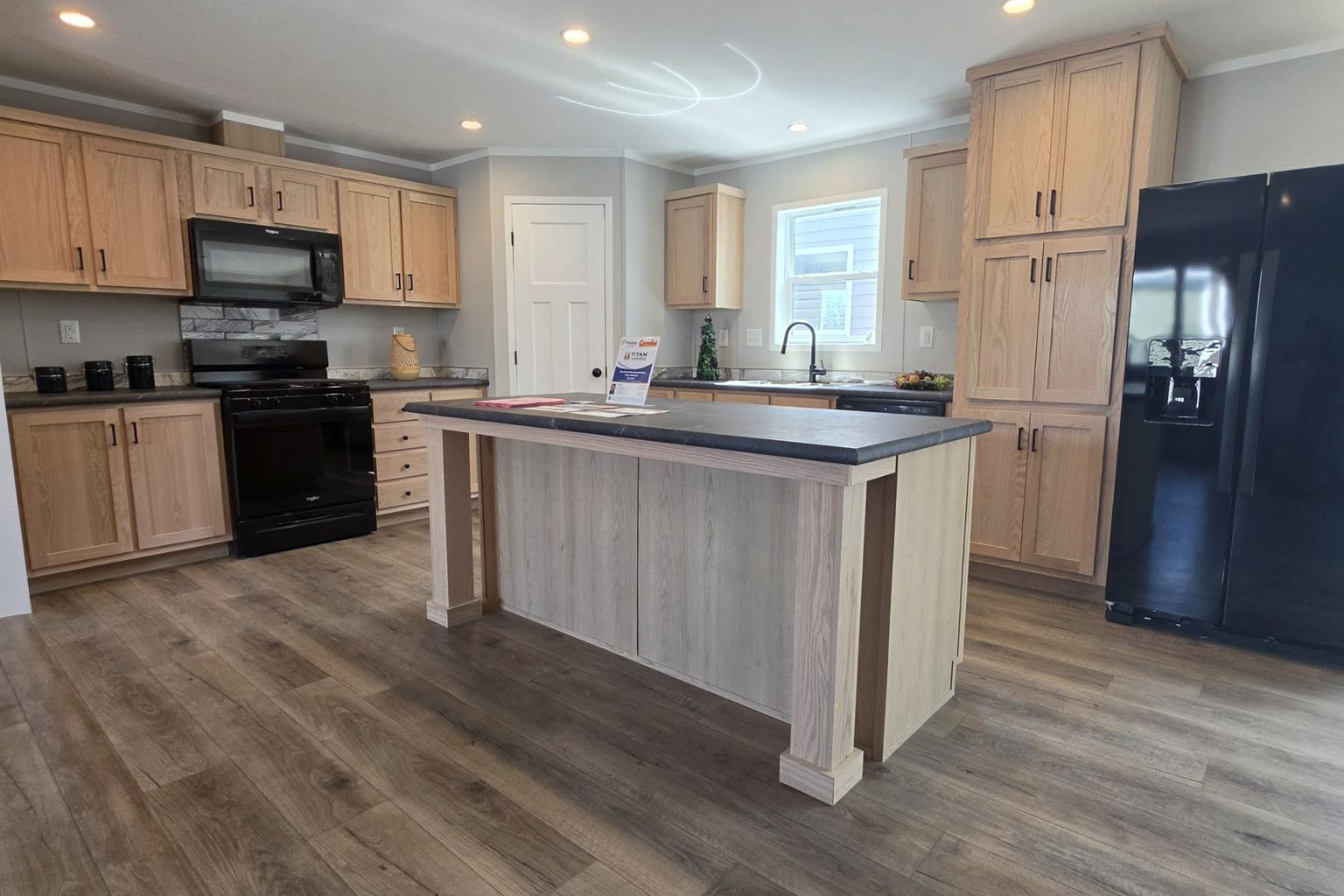


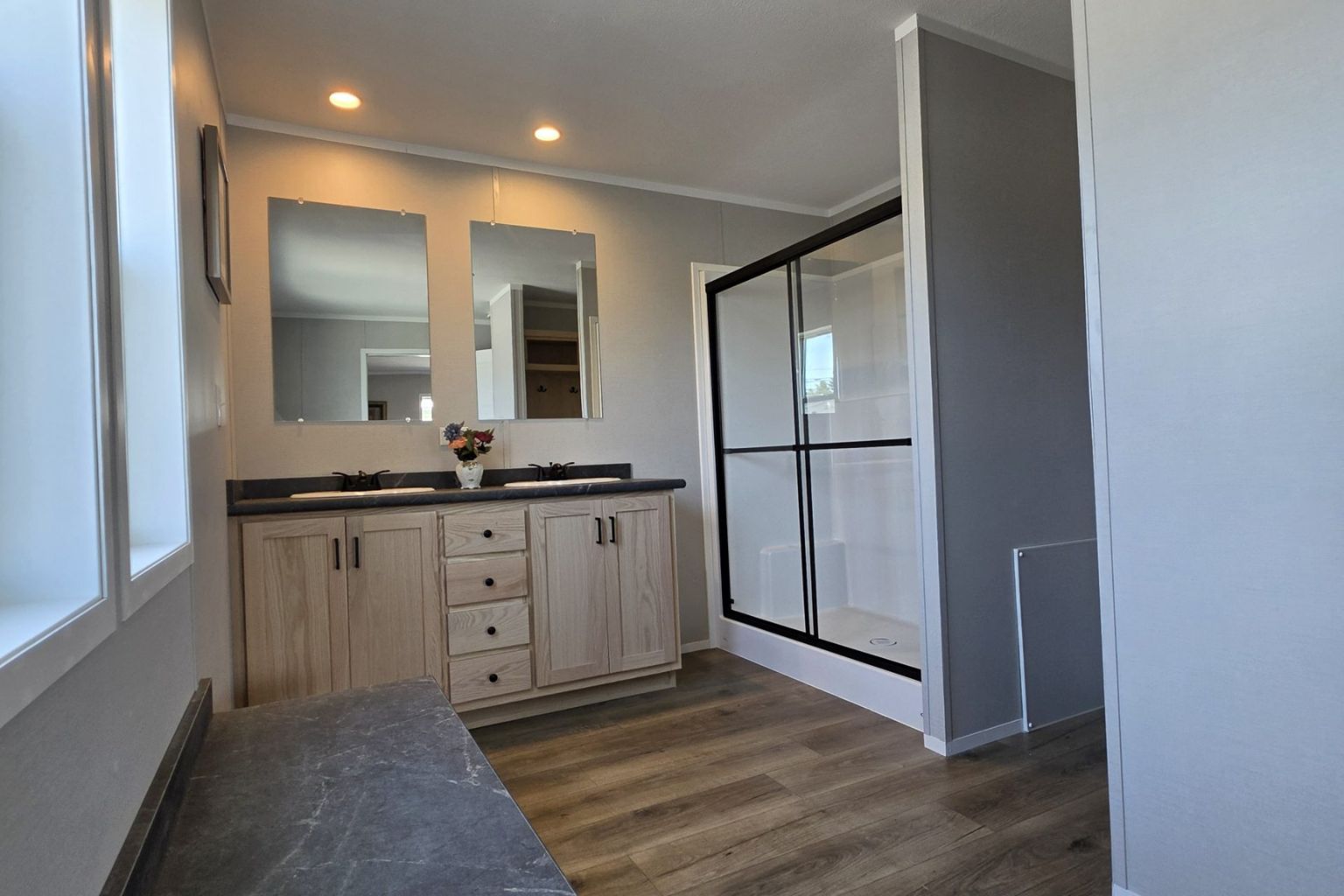


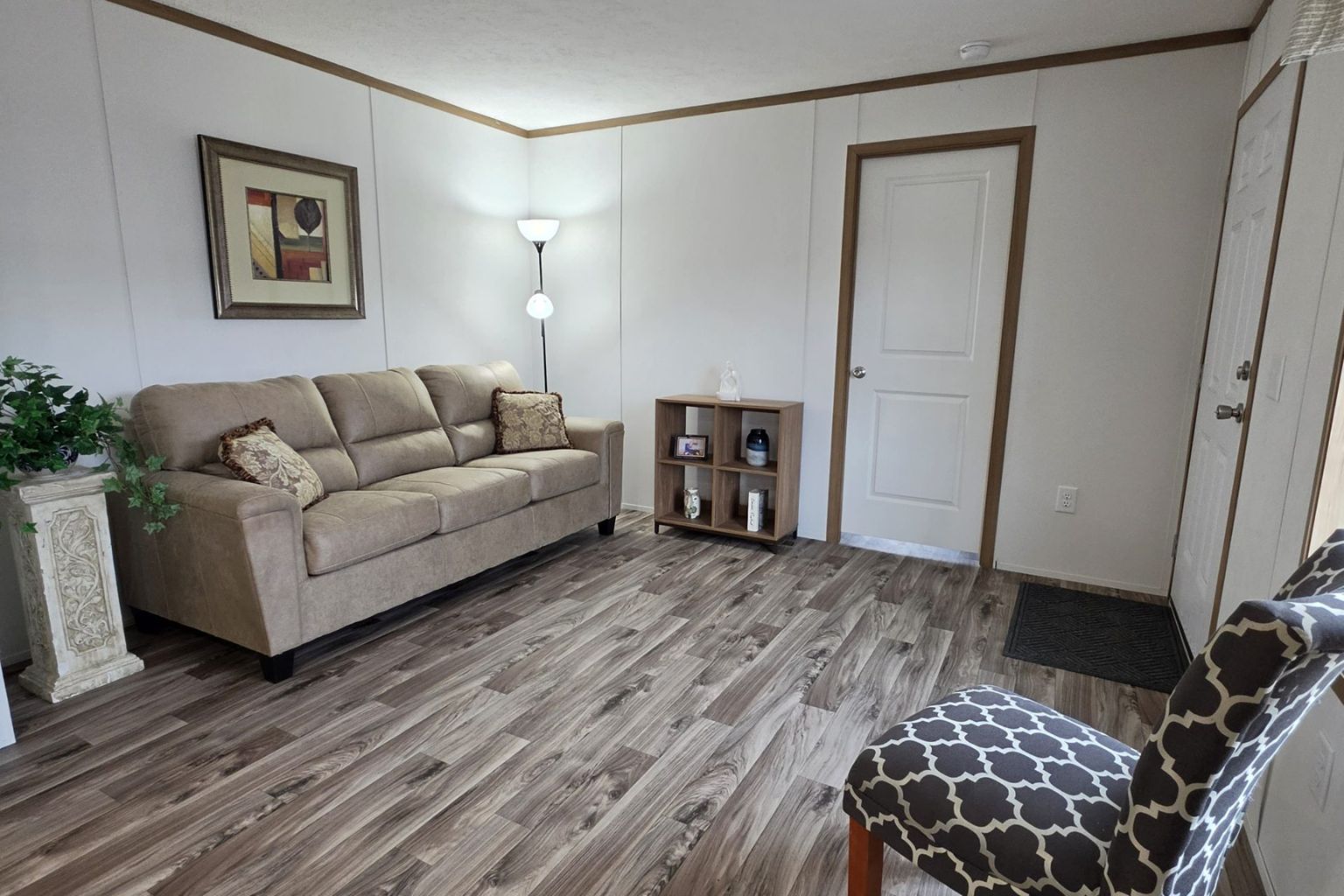
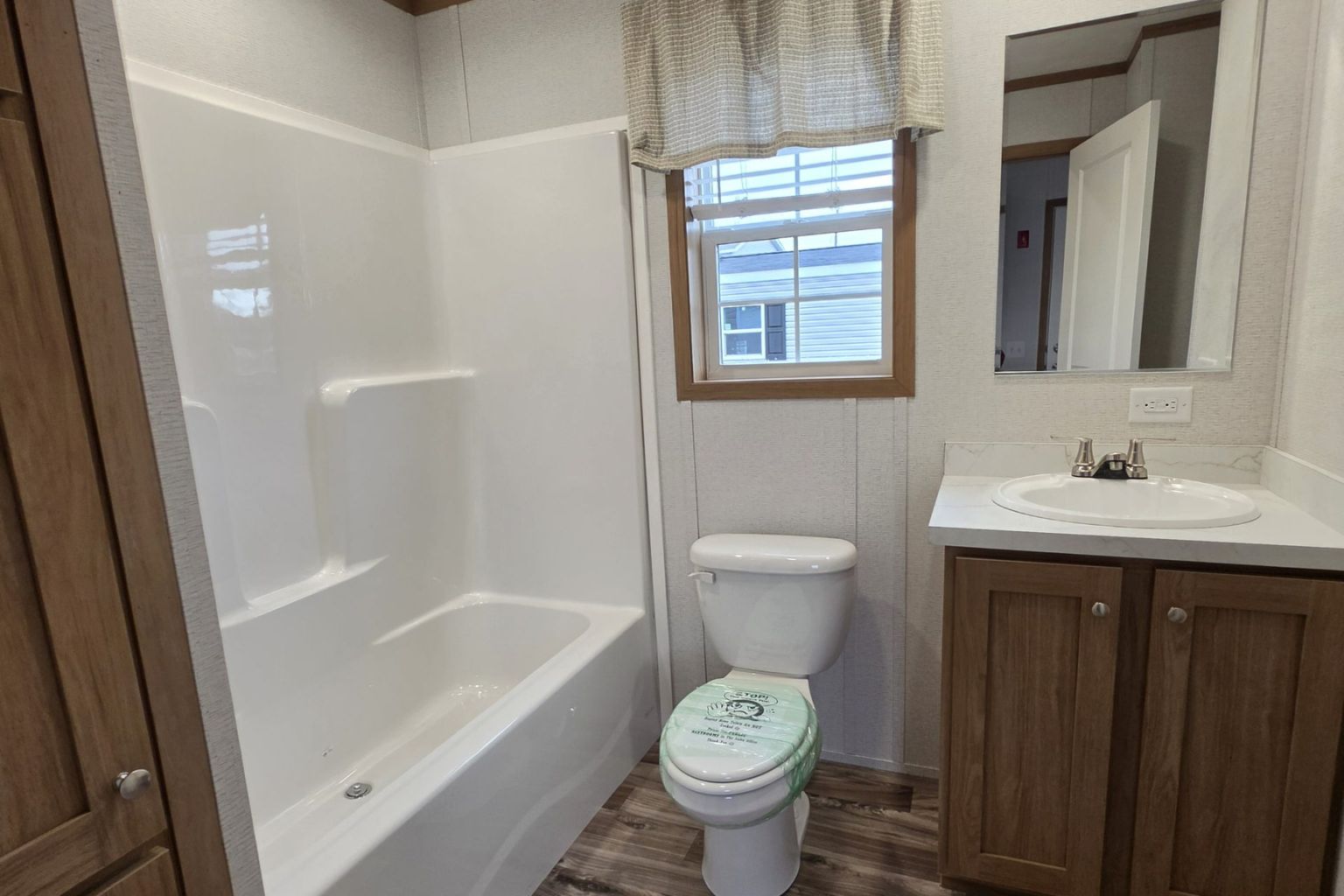


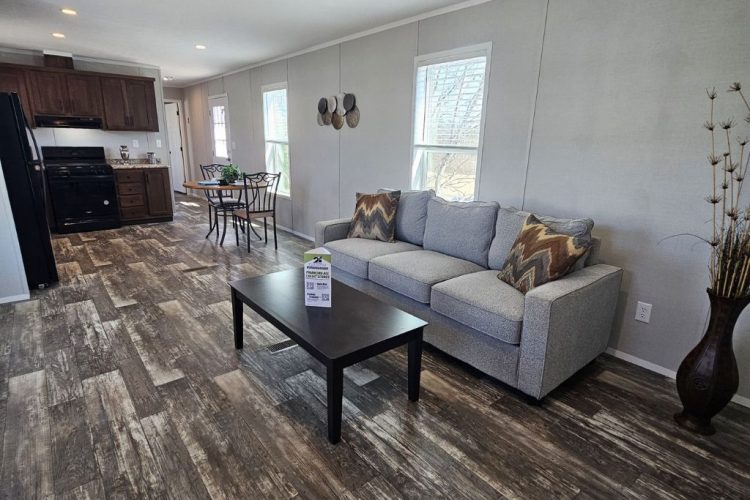


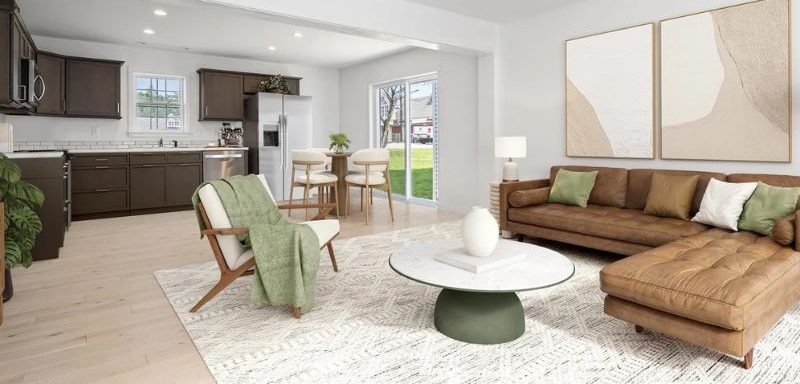
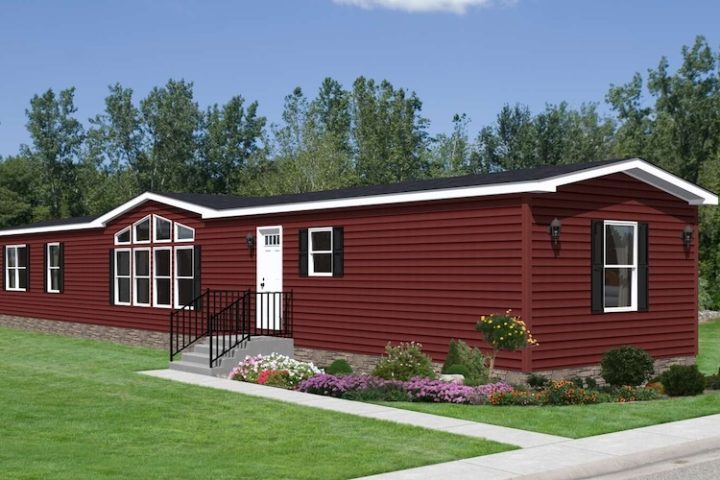
CAVCO - SHIPPENVILLE
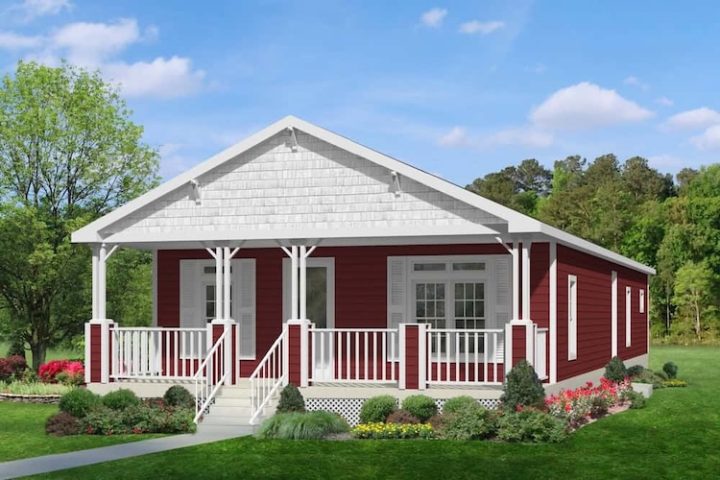
EAGLE RIVER HOMES
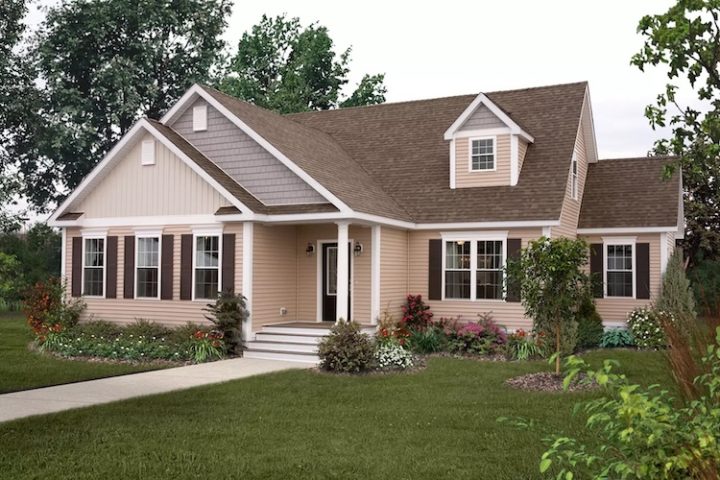
NEW ERA HOMES
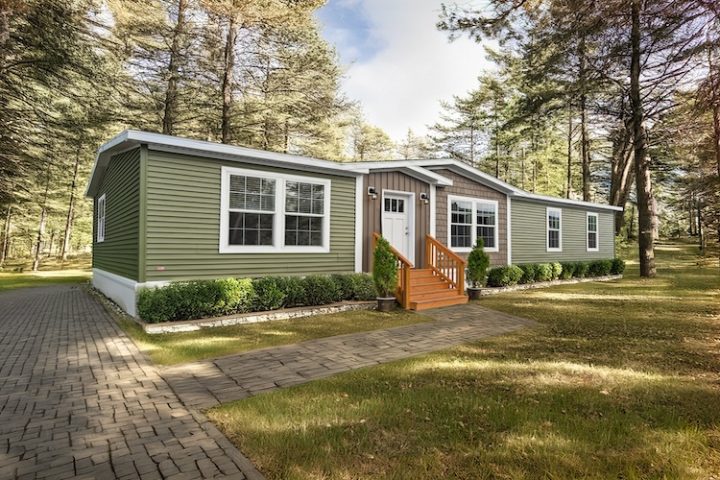
TITAN HOMES
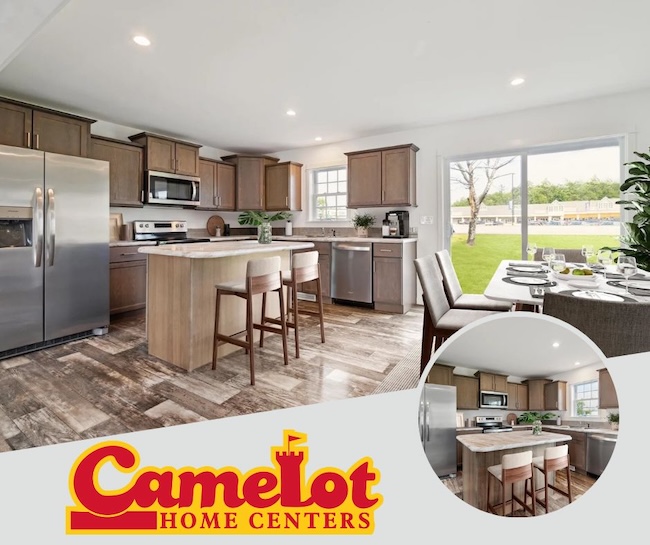





What to Look for When Buying a Mobile Home
Buying a mobile home is one of the most practical ways to become a homeowner in New Hampshire without taking on the cost of traditional site-built construction. Mobile homes also called manufactured homes have come a long way from their reputation decades ago. Today’s models offer energy-efficient construction, modern layouts, and finishes that rival conventional houses, often at a fraction of the price per square foot. But because a mobile home purchase involves unique considerations that don’t apply to traditional real estate, it pays to know exactly what to look for before you sign anything. If you’re searching for mobile homes for sale in New Hampshire, here’s a complete guide to help you shop smart. 1. Know the Difference Between Mobile, Manufactured, and Modular Homes These terms get used interchangeably, but they’re not the same thing. “Mobile home” technically refers to homes built before June 1976, before HUD established federal construction standards. Homes built after that date are officially called “manufactured homes,” even though many buyers still use “mobile home” out of habit. Modular homes are a separate category built in sections in a factory, then assembled on-site on a permanent foundation, and held to the same building codes as site-built homes. Understanding which category a home falls into matters for financing, insurance, resale value, and where you’re allowed to place it. A reputable New Hampshire retailer can walk you through these distinctions and help you choose the option that best fits your budget and long-term plans. 2. Check the HUD Certification Label Every manufactured home built after 1976 should have a red HUD certification label (or “HUD tag”) permanently attached to the exterior of each transportable section. This label confirms the home meets federal construction, safety, and energy standards. If you’re buying a used mobile home, always verify this label is present and matches the home’s data plate located inside, typically in a kitchen cabinet or electrical panel. Missing labels can complicate financing, insurance, and resale down the road. 3. Inspect the Foundation and Chassis Even though manufactured homes are built on a steel chassis, how that chassis is set up on-site matters enormously for long-term stability. Look for: If you’re buying new, ask your retailer how the installation and site prep process works and whether it’s included in your quote. 4. Review Insulation and Energy Efficiency New Hampshire winters are no joke, so insulation quality should be high on your checklist. Ask about R-values for the walls, floor, and ceiling, and look for double- or triple-pane windows, sealed ductwork, and an efficient heating system. Many newer manufactured and modular homes are built to Energy Star standards, which can mean significantly lower utility bills throughout the year. 5. Evaluate the Floor Plan and Layout Mobile homes come in single-wide, double-wide, and triple-wide configurations, with floor plans ranging from cozy one-bedroom layouts to spacious four-bedroom family homes. Walk through the space (in person or virtually) and consider: 6. Understand Land and Placement Options Where you plan to place the home affects everything from permitting to financing. You might buy land and place the home on your own lot, lease a lot in a manufactured home community, or purchase a home that’s already sited. Each option has different cost structures, zoning rules, and utility hookup requirements, so it’s worth discussing your plans early with your retailer, who can often help coordinate land search and site prep. 7. Ask About Financing and Warranties Financing for manufactured and mobile homes can differ from a traditional mortgage, especially depending on whether you own or lease the land. Ask your retailer about available lender partnerships, down payment requirements, and typical interest rates. Also confirm what manufacturer warranties are included and how long they last most new homes come with structural and systems warranties that protect your investment for the first several years. 8. Work with a Trusted Local Retailer Perhaps the single best thing you can do when shopping for a mobile home is to work with an established, reputable dealer who knows the New Hampshire market. A good retailer will walk you through inventory, financing, delivery, and installation, and will stand behind the homes they sell long after the deal closes. Camelot Home Centers, located in Tilton, New Hampshire, offers one of the region’s largest selections of manufactured and mobile homes, along with modular home options, serving customers throughout New Hampshire, Maine, Massachusetts, and Vermont. Their team provides guidance from your first walkthrough to final installation, making the process far less overwhelming for first-time buyers. Frequently Asked Questions Q: What’s the difference between buying new and buying a used mobile home? A: New homes come with manufacturer warranties, updated safety and energy standards, and no wear-and-tear concerns, but cost more upfront. Used homes can offer savings but require a closer inspection of the chassis, roof, plumbing, and HUD label before you buy. Q: Do I need to own land to buy a mobile home? A: No. You can place a mobile home in a manufactured home community and lease the lot, or purchase land separately if you want full ownership of both the home and the property. Q: How long does it take to move into a new mobile home? A: Timelines vary based on whether the home is in stock or built to order, plus site preparation and permitting. Many buyers move in within a few months of ordering, though custom builds can take longer. Q: Can I customize a mobile or manufactured home before purchase? A: Yes. Many manufacturers offer customizable floor plans, finishes, and add-ons like porches or garages. Ask your retailer which options are available for the models you’re considering. Q: Are mobile homes a good investment in New Hampshire? A: With proper maintenance, a well-built manufactured home on owned land can hold and even appreciate in value, especially in a state with strong demand for affordable housing options.Ready to explore available homes? Contact Camelot Home Centers at (603) 286-4624 or visit cm-h.com to browse current inventory and schedule a consultation.

The True Cost of Owning a Modular Home
If you’ve been comparing housing options in New England, you’ve probably noticed how often “affordable” gets attached to modular homes. But what does that actually mean once you get past the sticker price? Understanding the true cost of ownership not just the base price is the only way to budget with confidence. At Camelot Home Centers, we walk buyers through every line item so there are no surprises, and this guide breaks down what you can expect if you’re considering affordable modular homes in Maine. What Goes Into the Price of a Modular Home? The base price you see in a brochure or online listing typically covers the home itself: the factory-built modules, standard finishes, and basic construction. It rarely includes everything you’ll need to actually live in the home. Here’s what else factors into your total investment: 1. Land Costs Unless you already own a lot, purchasing land is often the single biggest variable in your budget. Prices vary widely across Maine depending on whether you’re near the coast, in a rural township, or close to a city like Portland or Bangor. Rural lots tend to be significantly cheaper, which is part of why modular homes pair so well with land purchases in less densely populated areas. 2. Site Preparation Before your home arrives, the land needs to be graded, cleared, and prepped. This can include tree removal, excavation, and creating a level building pad. Costs here depend heavily on the condition of your lot a flat, already-cleared parcel will cost far less to prepare than a wooded or sloped one. 3. Foundation Modular homes can be set on a variety of foundation types, including full basements, crawl spaces, and slab foundations. A basement adds usable square footage and storage but costs more upfront than a crawl space or slab. Your choice here should balance your budget with your long-term needs, especially if you’re planning to finish a basement later for extra living space. 4. Utility Connections Connecting to municipal water and sewer is usually more affordable than installing a septic system and drilling a well, but rural Maine properties often require the latter. Electrical hookups, especially if you’re extending service from a distant utility pole, can also add unexpected cost. 5. Delivery and Installation (Set Costs) Transporting the modules from the factory to your site and craning them into place is a specialized process. Distance from the manufacturing facility, road accessibility, and the complexity of the set all affect this cost. 6. Permits and Inspections Every municipality has its own permitting fees and inspection requirements. Maine’s building codes are generally straightforward for modular construction, but it’s worth budgeting for permit fees, engineering reports if required, and any local hookup fees. 7. Finishing Touches Driveways, landscaping, decks, garages, and interior upgrades like flooring or cabinetry beyond the standard package all add to your final number. These are also the easiest places to phase costs over time if your initial budget is tight. Why Modular Still Comes Out Ahead Even accounting for all of these additional costs, modular construction typically comes in below site-built homes of comparable size and quality. That’s because: Long-Term Cost Considerations The true cost of ownership doesn’t stop once you move in. A few areas worth planning for: Getting an Accurate Estimate The best way to understand your true cost is to work with a team that builds locally and knows the permitting, land, and utility landscape in Maine. Every property is different, and a generic online calculator can’t account for your specific lot conditions or municipality’s requirements. Camelot Home Centers has helped Maine and New Hampshire families navigate every stage of this process, from choosing a floor plan to understanding the full scope of site work. We provide transparent, itemized estimates so you know exactly what you’re paying for before you sign anything. Frequently Asked Questions Is a modular home actually cheaper than a stick-built home? Generally, yes. Modular homes typically cost 10–20% less than comparable site-built homes, mainly due to factory efficiency and shorter construction timelines. However, land, site work, and finishing costs apply to both types of construction and should be budgeted separately. Do modular homes hold their value? Yes, when built on a permanent foundation and maintained properly, modular homes appreciate similarly to traditional homes. Appraisers typically evaluate them the same way they would a site-built house of similar size and quality. What’s the biggest hidden cost people forget about? Site work is the most commonly underestimated cost. Excavation, well and septic installation, and utility hookups can add tens of thousands of dollars depending on your property, so it’s important to get a site evaluation early in the process. Can I finance a modular home the same way as a traditional home? Yes. Modular homes on permanent foundations typically qualify for the same conventional, FHA, VA, and USDA loan programs available to site-built homes. How long does the whole process take from start to move-in? Timelines vary, but many buyers move in within a few months of signing, compared to potentially a year or more for a fully custom site-built home, depending on permitting and site conditions. Ready to Get a Real Number? If you’re ready to see what affordable modular homes in Maine could look like for your budget and property, Camelot Home Centers can walk you through a full, transparent cost breakdown. Call us today at (603) 286-4624 to speak with our team.
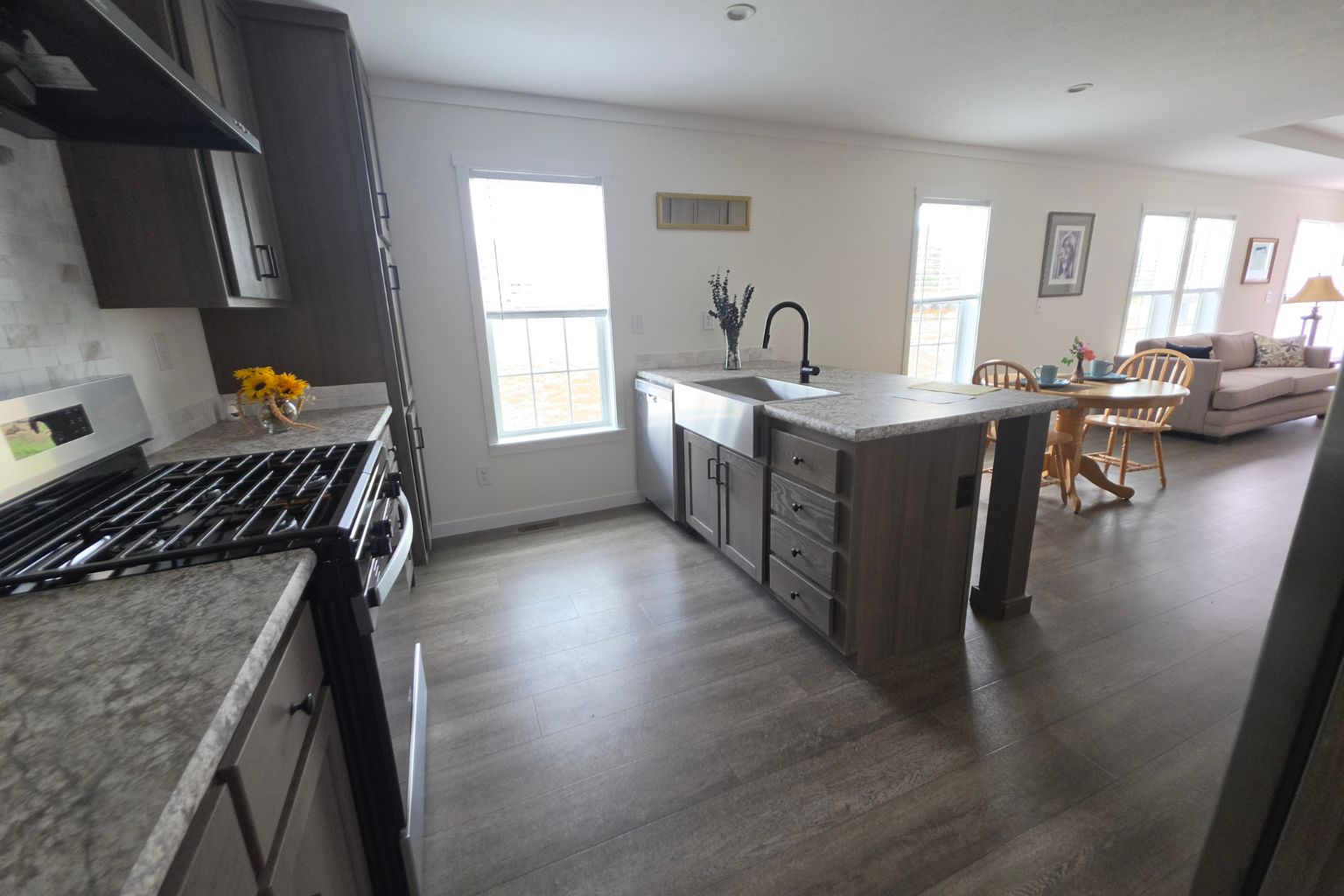
Mistakes to Avoid When Buying Your First Modular or Manufactured Home
Buying your first modular or manufactured home is exciting, but it’s also a major financial decision with a lot of moving parts. Many first-time buyers run into avoidable delays, unexpected costs, or mismatched expectations simply because no one warned them what to watch for. If you’re exploring modular homes in New Hampshire, here are the most common mistakes buyers make and how to steer clear of them. Mistake #1: Confusing Modular and Manufactured Homes One of the most frequent points of confusion is treating “modular” and “manufactured” as interchangeable terms. They’re built differently and regulated differently: This distinction affects financing, insurance, zoning, and resale value. Before you start shopping, know which type fits your goals, budget, and the land you’re considering zoning laws in many New Hampshire towns treat the two differently. Mistake #2: Not Researching the Land First It’s easy to fall in love with a floor plan before confirming the land can actually support it. Before committing to a home, check: Buying land without confirming it’s suitable for the home you want is one of the costliest mistakes a first-time buyer can make. Mistake #3: Underestimating Total Costs The price tag on a floor plan is rarely the final number. First-time buyers frequently forget to budget for: A reputable builder should walk you through a full itemized estimate before you sign anything, so there’s no gap between what you expected to pay and what you actually owe. Mistake #4: Skipping the Financing Pre-Approval Step Financing for modular and manufactured homes works differently depending on the type of home and whether it will sit on owned land or leased land. Common financing paths include: Getting pre-approved before you shop tells you your real budget and prevents you from falling for a floor plan that’s ultimately out of reach. It also speeds up the process once you’ve chosen a home. Mistake #5: Choosing the Cheapest Builder Without Checking Their Track Record Price matters, but it shouldn’t be the only factor. A builder with a poor track record can cost you far more in the long run through delays, subpar craftsmanship, or poor communication. Before signing a contract, ask: Working with an experienced, local team like Camelot Home Centers means you have one point of contact who understands New Hampshire’s permitting process and can anticipate issues before they become expensive problems. Mistake #6: Not Planning for Timeline Realities Modular and manufactured homes are built faster than traditional site-built homes, but “faster” doesn’t mean instant. Site work, permitting, and utility hookups all take time, and weather can affect scheduling for excavation and foundation work. First-time buyers sometimes assume they’ll be moved in within weeks, only to be frustrated when the realistic timeline is a few months. Ask your builder for a detailed, honest timeline upfront, including what could cause delays. Mistake #7: Overlooking Customization Limits Modular homes offer more design flexibility than many people expect, but there are still limits based on transportation size restrictions and factory production processes. If a specific layout, ceiling height, or feature is a must-have, confirm early whether it’s achievable rather than assuming every custom request is possible after you’ve already put down a deposit. Mistake #8: Not Asking About Warranty Coverage Warranty terms vary between builders and manufacturers, and coverage may differ for structural components, systems (plumbing, electrical, HVAC), and finishes. Get warranty details in writing before signing, and clarify who you contact for service the manufacturer, the retailer, or both. How to Avoid These Mistakes The common thread across nearly all of these pitfalls is working with a knowledgeable, local team from the start. A builder who understands New Hampshire zoning, financing options, and site conditions can flag problems before they cost you time or money. Frequently Asked Questions What’s the main difference between modular and manufactured homes? Modular homes are built to local and state building codes and placed on a permanent foundation, while manufactured homes are built to a federal HUD code and sit on a steel chassis. This affects zoning, financing, and resale value. Do I need to own land before I buy a modular home? Not necessarily some buyers purchase land and a home together, while others already own suitable land. It’s important to confirm your land is zoned appropriately and has practical access to utilities before finalizing your home choice. How much should I budget beyond the home’s base price? Beyond the base price, plan for site work, foundation, utility hookups, permits, and delivery/set costs. Depending on your lot, these can add a substantial percentage to your total project cost, so get a full estimate early. Can I customize a modular home’s layout? Yes, to a degree. Many manufacturers offer multiple layout and finish options, though some structural changes may be limited by transportation size restrictions and factory processes. How long does it typically take to move into a new modular home? Timelines vary by project, but many buyers move in within a few months of signing, factoring in permitting, site preparation, and the build/set schedule. Talk to a Local Team Before You Buy Avoid the guesswork on your first modular or manufactured home purchase. Camelot Home Centers has guided New Hampshire families through every step of the process, from land evaluation to move-in day. Call (603) 286-4624 to start your journey with a team that knows the local market.
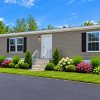
Colony A32093
$131,995
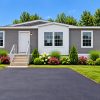
Colony DE3030
$150,995