

Manufactured homes
Everything You Need to Know Before Buying a Manufactured Home
Buying a home is one of the biggest financial decisions you’ll ever make, and Manufactured Homes New England buyers are increasingly turning to offer a faster, more affordable path to home ownership without sacrificing comfort or quality. But a manufactured home purchase works differently than buying a traditional site-built house from financing to land requirements to installation. Before you sign anything, it helps to understand exactly what you’re getting into. Here’s what every buyer should know before purchasing a manufactured home in New England. What Is a Manufactured Home, Exactly? A manufactured home is a factory-built house constructed entirely indoors, then transported to your property for final setup. Unlike older “mobile homes” built before June 15, 1976, today’s manufactured homes are built to the federal HUD Code a strict set of national construction, safety, and energy-efficiency standards established by the U.S. Department of Housing and Urban Development. Every section of a manufactured home carries a HUD Label (sometimes called a “red tag”), which confirms the home meets these federal standards and identifies the wind, snow, and roof load zone it was engineered for an important detail for New England’s harsh winters. 1. Know the Difference Between Land Ownership and Land Leasing One of the first decisions you’ll make is where your home will sit: On land you own: If you permanently affix your manufactured home to land you own, it can be classified as real property, which opens the door to traditional mortgage financing with better rates and terms. In a leased-land community: Placing your home in a manufactured home community typically lowers your upfront costs, but the home may be classified as personal property (“chattel”), which usually means higher-interest chattel loan financing instead of a mortgage. This single decision affects your financing options, monthly costs, and long-term equity, so it’s worth thinking through carefully before you shop for a home. 2. Understand Your Financing Options Manufactured home financing looks different from a conventional home loan: Conventional mortgages are available if the home is permanently affixed to land you own and meets specific foundation and titling requirements. FHA and VA loans offer accessible down payment options for qualified buyers, often as low as 3.5% down. Chattel loans finance the home only (not the land) and are common for homes placed in leased communities, though they typically carry higher interest rates. Getting pre-approved before you shop protects you from falling in love with a home that doesn’t fit your budget, and it gives you a clear number to work with when comparing floor plans. 3. Check Local Zoning and Placement Rules Not every lot allows a manufactured home. Zoning ordinances vary by town and county, and some New England municipalities restrict manufactured housing to specific districts or require it to meet additional aesthetic or foundation standards. Before you fall in love with a piece of land, contact the local planning or zoning office to confirm manufactured homes are permitted there. You’ll also want to verify: Minimum lot size and setback requirements Site accessibility for delivery trucks and cranes Soil stability for the foundation Availability of water, sewer, and electrical hookups 4. Budget for More Than the Sticker Price The base price of a manufactured home doesn’t tell the whole story. Plan for these additional costs: Land purchase or lease fees Site preparation and foundation work Delivery and installation Utility hookups (water, sewer, electric) Permits and inspections Skirting, decks, or garages, if desired Customizing your home during the factory build rather than after installation is also typically far less expensive, since factory changes benefit from bulk materials pricing and streamlined production. 5. Choose a Licensed, Reputable Retailer Because manufactured homes are purchased through a retailer rather than a traditional real estate agent, your choice of dealer matters enormously. A good retailer will: Hold proper state licensing Have strong reviews and a track record of completed installations Offer transparent pricing with no hidden fees Coordinate site work, delivery, and installation Walk you through manufacturer, retailer, and appliance warranties Working with an experienced local retailer, like Camelot Home Centers, also means you’ll have support navigating New England-specific requirements like frost-depth foundations and winterized plumbing. 6. Don’t Skip the Final Walk-Through Before you sign off on your new home, a thorough final walk-through protects you from costly surprises down the road. Check for: The marriage line gaps in trim, flooring, or ceiling where sections join Doors and windows should open, close, and lock smoothly without sticking The HUD data plate confirms the home’s wind, snow, and roof load rating matches your region Visible workmanship walls, floors, and fixtures free of damage or defects If anything looks off, document it and notify your retailer in writing before final funds are released. 7. Plan for Long-Term Maintenance Modern manufactured homes are built to last, often for 55 years or more with proper care, but that longevity depends on regular maintenance: Inspect skirting and foundation anchoring seasonally Check for moisture, rust, or roof leaks after major storms Service your HVAC system annually Reseal windows and doors before winter Routine upkeep protects both your comfort and your home’s resale value. Why Buy Through Camelot Home Centers Buying a manufactured home involves a lot of moving parts, land, financing, permitting, delivery, and installation, and having an experienced local partner makes all the difference. Camelot Home Centers has helped New England families find the right manufactured home for their budget, property, and lifestyle for years, with guidance every step of the way. Ready to start exploring your options? Visit cm-h.com or call (603) 286-4624 to speak with our team today. Frequently Asked Questions How much does a manufactured home cost in New England? Manufactured home prices vary widely based on size and customization, generally ranging from around $20,000 for a basic single-section home to well over $150,000 for a larger, fully upgraded multi-section home. Can I get a mortgage for a manufactured home? Yes, if the home is permanently affixed to land you own and meets specific titling and foundation requirements. Homes on

Manufactured homes
Mobile Homes
Modular Homes
How Modular & Mobile Home Construction Can Reduce Building Time by Up to 50%
In today’s fast-paced housing market, time is just as important as cost. One of the biggest advantages of modular homes and mobile (manufactured) homes is their ability to dramatically reduce construction timelines—often by up to 50% compared to traditional stick-built homes. At Camelot Home Centers, homeowners across New England are discovering how factory-built homes make it possible to move in faster without sacrificing quality. Built in a Controlled Environment Unlike traditional homes that are built entirely on-site, modular and manufactured homes are constructed in a climate-controlled factory. This eliminates weather delays caused by rain, snow, or extreme temperatures. According to the National Association of Home Builders, weather-related interruptions are one of the most common causes of delays in site-built construction. By building indoors, modular homes stay on schedule and maintain consistent progress. Simultaneous Construction Process One of the key reasons modular construction is faster is the ability to complete multiple phases at the same time. While your home is being built in the factory, site work such as foundation preparation, utility installation, and permits can happen simultaneously. The Modular Building Institute highlights this parallel construction process as a major factor in reducing total build time by weeks or even months. Streamlined Labor & Materials Factory-built homes benefit from efficient workflows, skilled crews, and bulk material purchasing. This streamlined process reduces downtime and increases productivity. In contrast, traditional construction often involves multiple subcontractors working on different schedules, which can lead to delays. The U.S. Department of Housing and Urban Development notes that manufactured homes are built using standardized processes that improve efficiency and consistency. Faster On-Site Assembly Once the home is completed in the factory, it is transported to the site and assembled quickly—often within days. Modular sections are set in place, secured, and finished with final connections. Compared to the months it can take to frame and build a home on-site, this process significantly shortens the timeline to move-in. Reduced Delays and Predictable Scheduling Because much of the construction is completed off-site, there are fewer variables that can cause delays. Material shortages, labor scheduling conflicts, and weather conditions have less impact on the overall timeline. This leads to a more predictable schedule, allowing homeowners to plan their move with confidence. The Bottom Line Choosing a modular or mobile home means choosing a faster, more efficient path to homeownership. With reduced construction time, lower costs, and consistent quality, it’s no surprise that more buyers are turning to factory-built homes. At Camelot Home Centers, we help you take advantage of these benefits by offering a wide selection of homes designed for speed, value, and long-term comfort. If you’re ready to move into your new home sooner, explore the advantages of modular and manufactured construction todayand see how you can cut your build time in half. CAMELOT HOME CENTERS START YOUR JOURNEY TO A NEW HOME TODAY! CONTACT US

Manufactured homes
Mobile Homes
Modular Homes
Affordable Modular, Manufactured, and Mobile Homes: A Smart Path to Homeownership
Finding an affordable home in today’s market can be challenging, but modular homes, manufactured homes, and mobile homes are making homeownership more accessible than ever. These housing options offer modern designs, energy efficiency, and lower costs compared to traditional construction and making them an ideal solution for first-time buyers, downsizers, and families alike. At Camelot Home Centers, buyers across New England are discovering how these homes deliver both value and quality. One of the biggest advantages of affordable housing options like these is the factory-built construction process. Both modular and manufactured homes are built in controlled environments, which ensures consistent quality and reduces construction time. According to the U.S. Department of Housing and Urban Development, manufactured homes are built to strict federal standards that ensure safety, durability, and efficiency. Modular homes, on the other hand, are built to local and state building codes, offering the same strength and longevity as traditional stick-built homes. Affordability is a major reason buyers are turning to these housing options. With streamlined building processes, reduced labor costs, and minimal material waste, modular and manufactured homes are typically more cost-effective than site-built homes. Organizations like the National Association of Home Builders continue to highlight factory-built housing as a key solution to rising housing costs across the country. This means buyers can often get more space, better features, and modern finishes—all at a lower price point. Another important benefit is energy efficiency. Today’s modular and manufactured homes are designed with high-performance insulation, energy-efficient windows, and modern HVAC systems. These features not only reduce environmental impact but also help homeowners save on monthly utility bills. Insights from the Modular Building Institute show that factory-built homes are often tighter and more energy-efficient than traditional construction due to precise building techniques. When it comes to design, these homes offer far more flexibility than many people expect. Buyers can choose from a wide variety of floor plans, layouts, and interior finishes to match their lifestyle and preferences. Whether you’re looking for a compact single-section mobile home, a spacious double-wide manufactured home, or a fully customized modular home, there are options available for every need. You can explore available inventory and floor plans directly through Camelot Home Centers to find the perfect fit. Speed is another major advantage. Because much of the construction happens off-site, these homes can be completed and ready for move-in much faster than traditional homes. This makes them an excellent option for buyers who want to avoid long construction timelines or need housing quickly. In conclusion, modular homes, manufactured homes, and mobile homes provide a practical, affordable, and modern solution to today’s housing challenges. With lower costs, faster build times, energy efficiency, and customizable designs, they offer a smart path to homeownership without compromising quality. If you’re ready to explore your options, visit Camelot Home Centers and discover how affordable your next home can be.
Recent Posts
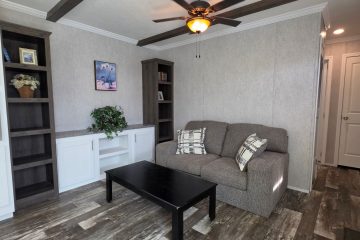
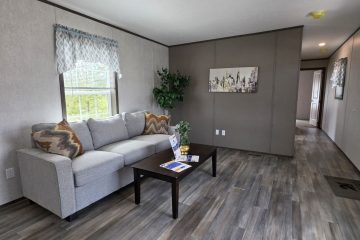
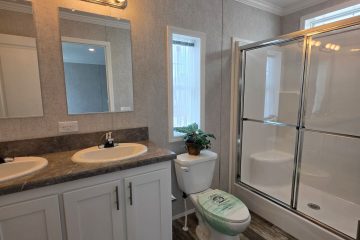
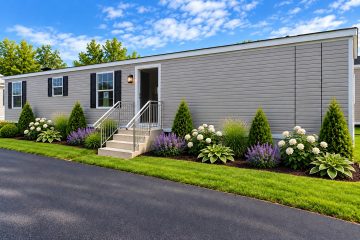
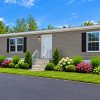
Colony A32093
$131,995
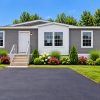
Colony DE3030
$150,995