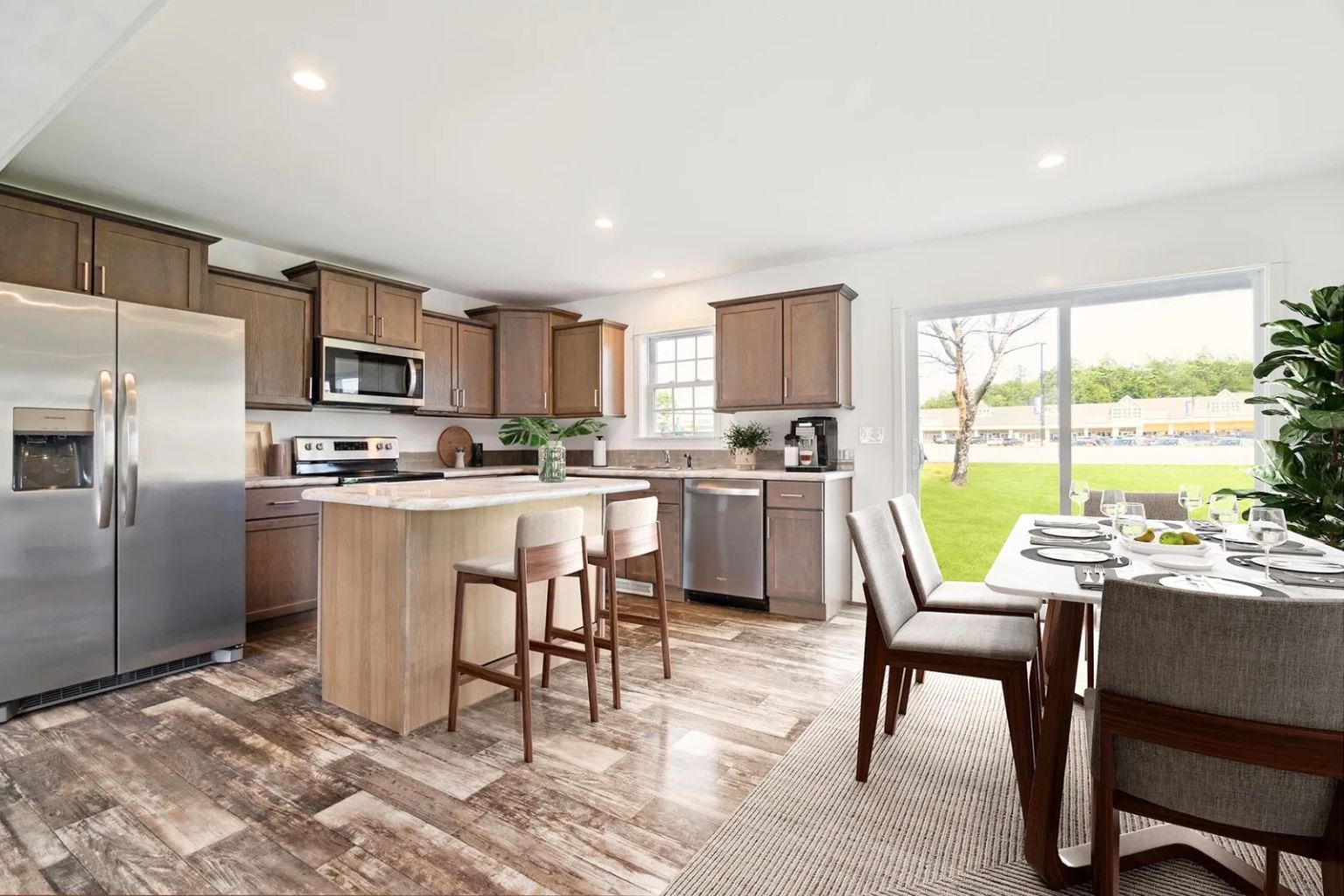
Yes, you can. Modular homes on your own land are one of the most common ways people build today, and the process is more straightforward than many buyers expect. Still, a few steps happen before the first section arrives, and knowing them early saves time and money.
At Camelot Home Centers, we walk New Hampshire buyers through this process regularly. Our pricing includes delivery and set up, so you know what to expect when your home reaches your lot.
Can a Modular Home Go on Any Piece of Land?
Not quite any, but most lots work. A modular home is built to the same codes as a site-built house, so if your land can support a traditional home, it can usually support a modular one.
The real questions are whether your property is zoned for residential use, whether it has the right access, and whether the ground can be prepared for a permanent foundation.
7 Steps to Place a Modular Home on Your Own Land
1. Confirm Zoning and Local Rules
Start at your town hall. Ask about zoning, minimum lot size, setbacks, and any restrictions on home type. Also check for deed covenants or homeowners’ association rules, which can affect design and placement.
2. Check Access to the Site
Modular sections arrive on trucks, and a crane sets them in place. Your driveway or road access needs room for long vehicles to maneuver. Tight turns, low branches, and steep grades may need clearing or adjusting.
3. Evaluate the Soil and Terrain
A site evaluation tells you about drainage, ledge, and soil stability. These findings influence your foundation choice and site prep costs.
4. Plan Your Utilities
Many rural lots need a well and septic system. Others connect to town water and sewer. Electric service, propane, and internet should be part of your plan from day one. Septic design and approval can take time, so start early.
5. Choose a Foundation
Your home needs a permanent foundation, whether that’s a full basement, crawl space, or frost-protected slab. Your lot’s slope and soil often point toward the best fit.
6. Secure Permits and Financing
You’ll need a building permit, and most towns require inspections at set stages. If you’re financing, a construction loan typically covers the build, then converts to a standard mortgage. Talk with a lender who understands modular construction.
7. Schedule Delivery and Set
Once the foundation is cured and inspected, your home is delivered and set by crane, often in a single day. Finish work such as connecting utilities, completing the marriage wall, and building decks follows.
What Costs Come With Building on Your Own Land?
The home itself is only part of the budget. Plan for these land-related costs:
- Land clearing and driveway
- Excavation and foundation
- Well, septic, and utility connections
- Permits and impact fees
- Landscaping and final grading
At Camelot Home Centers, pricing includes delivery and set up. Ask your sales consultant which site work items are covered and which are handled separately, so your total budget has no gaps.
Why Buyers Choose Modular Homes on Their Own Land
Building on land you already own lets you pick the exact spot for views, sunlight, and privacy. Factory construction also keeps the build indoors, which reduces weather delays and material exposure. Many buyers also like that the home is built while the site work happens, which can shorten the overall timeline.
Common Mistakes to Avoid
- Buying land before checking zoning. Verify rules first.
- Skipping the soil evaluation. Surprises underground get expensive.
- Ignoring septic approval timelines. This step can hold up the entire project.
- Underestimating site work. Get written estimates before you commit.
- Hiring inexperienced contractors. Choose crews who have set modular homes before.
Frequently Asked Questions
Can you put a modular home on your own land?
Yes. If the land is zoned for residential use and can support a permanent foundation and utilities, you can place a modular home on it.
Do I need a permit to build a modular home on my property?
Yes. You’ll need a building permit and usually several inspections, though requirements vary by town.
Can I get a loan for modular homes on my own land?
Yes. Many lenders offer construction-to-permanent loans for modular homes. Ask about land-equity options if you already own the lot.
How long does it take to build a modular home on my land?
Factory construction often takes several weeks, while site prep and finishing add more time. The full project commonly runs a few months, depending on permits and weather.
Does modular home pricing include delivery and set up?
At Camelot Home Centers, pricing includes delivery and set up. Confirm which site work is included when you request your quote.
Do I need a well and septic system?
If your land isn’t connected to municipal water and sewer, yes. Your town and the state set the approval process.
Can a modular home be placed on a sloped or wooded lot?
Often, yes. Clearing, grading, or a walkout basement may be needed, which affects your site costs.
Ready to Build on Your Own Land?
If you own a lot and are ready to start planning, Camelot Home Centers can help you understand your options, timeline, and a price that includes delivery and set up. Call (603) 286-4624 or visit cm-h.com to begin your journey with modular homes on your own land.