For most families, a home is the biggest purchase they will ever make, so it is fair to ask whether a Modular Homes Investment makes financial sense. The answer is usually yes, with a few conditions that matter more than the construction method.
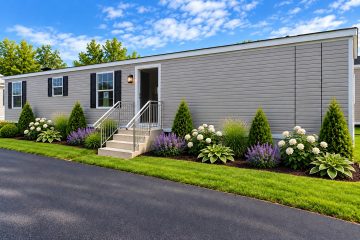
Modular homes are built in a climate-controlled factory and delivered in sections, then finished on your foundation. Once complete, they are real estate in the eyes of lenders, appraisers, and town assessors. Camelot Home Centers pricing includes delivery and set up, which makes it easier to compare the true cost of a modular home against other options.
Do Modular Homes Hold Their Value?
Yes, when they are placed on a permanent foundation on land you own and are built to local code. Appraisers generally value modular homes using the same comparable-sales method they use for site-built houses. Location, lot, condition, size, and design do most of the work in setting value.
That is the key point: your home’s value follows the property, not the way the walls were assembled.
Factors That Shape a Modular Homes Investment
Location and Land
Land is often where long-term appreciation comes from. Look at school districts, commute times, nearby amenities, and local housing demand. In New Hampshire, limited housing supply in many areas has supported demand for well-built homes.
Foundation and Permanent Placement
A modular home on a full basement or permanent foundation is financed and appraised as real property. This setup is what separates a long-term investment from a temporary structure.
Build Quality
Factory construction offers some real advantages:
- Materials stay protected from rain and snow during building
- Consistent, repeatable processes and quality checks
- Modules designed to withstand transport and crane placement
- Third-party inspections during construction
Still, workmanship at the site matters too, especially foundation, hookups, and finishing.
Energy Efficiency
Tight construction, modern insulation, and efficient windows can reduce heating and cooling costs, which is a big deal in New England winters. Lower monthly utility bills improve your total return, even if they never show up in the sale price.
Speed and Carrying Costs
Because the home is built while your site work happens, your timeline is often shorter than a traditional build. Less time means fewer months paying rent plus interest, which has a real financial benefit.
Customization and Curb Appeal
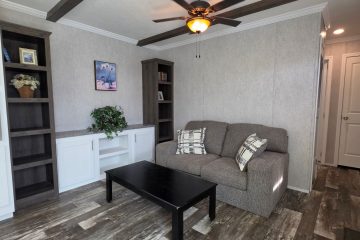
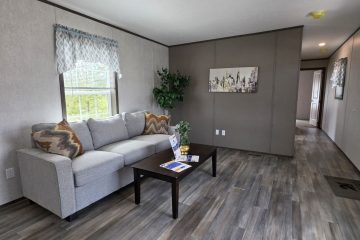
Modern modular floor plans offer open layouts, attached garages, porches, and upgraded kitchens. Homes that look and function like current market favorites tend to resell more easily.
Financing and Resale Considerations
- Financing: Modular homes on permanent foundations can usually be financed with conventional mortgage programs, though lenders may handle construction draws differently. Talk to a lender early.
- Appraisal: Choose a lender and appraiser familiar with modular construction.
- Resale: Keep records of permits, inspections, and upgrades to show buyers later.
- Maintenance: Treat it like any home. Regular roof, siding, and mechanical upkeep protects value.
Potential Downsides to Weigh
Being honest helps you decide well:
- Site costs such as land, foundation, septic, and utilities can be a large part of the budget
- Permit and zoning rules vary by town
- Cheaper land in a weak market can limit appreciation
- No home is a guaranteed return, modular or otherwise
A modular home is a strong investment when the lot, the budget, and the long-term plan line up.
What Your Camelot Home Centers Price Includes
Camelot Home Centers pricing includes delivery and set up, so you are not guessing about transport and crane costs when comparing builders. Items like land, foundation, permits, septic, well, and finish work are usually part of site preparation, so ask your sales advisor for a full cost outline. A complete number is the most reliable way to judge your return.
Questions to Ask Before You Buy
- Is the home built to New Hampshire building code?
- What does the delivered and set-up price cover, and what does it exclude?
- How are comparable modular homes selling in my target town?
- What energy features and warranties come with the home?
- Which lenders in my area finance modular homes?
Make Your Modular Homes Investment With Confidence
A modular home can be a smart, durable, and efficient place to build equity when you choose the right land and plan the full budget. To explore floor plans, see what is included in a delivered and set-up price, and talk through your goals, call Camelot Home Centers at (603) 286-4624 or visit cm-h.com and start planning your next home today.