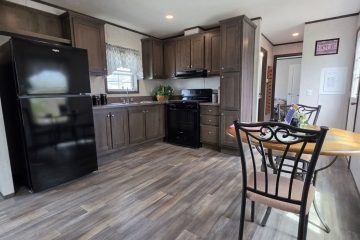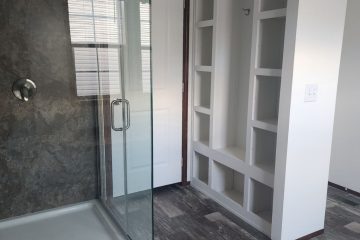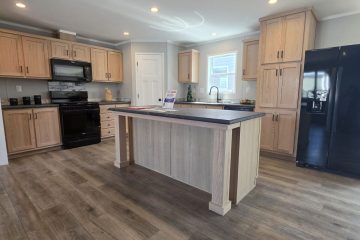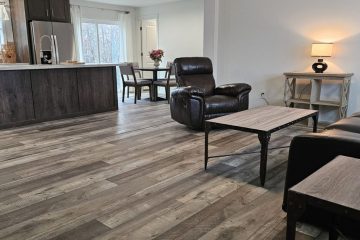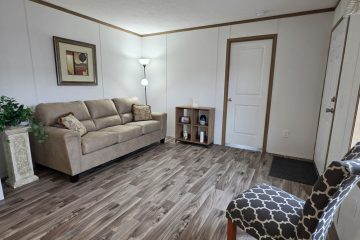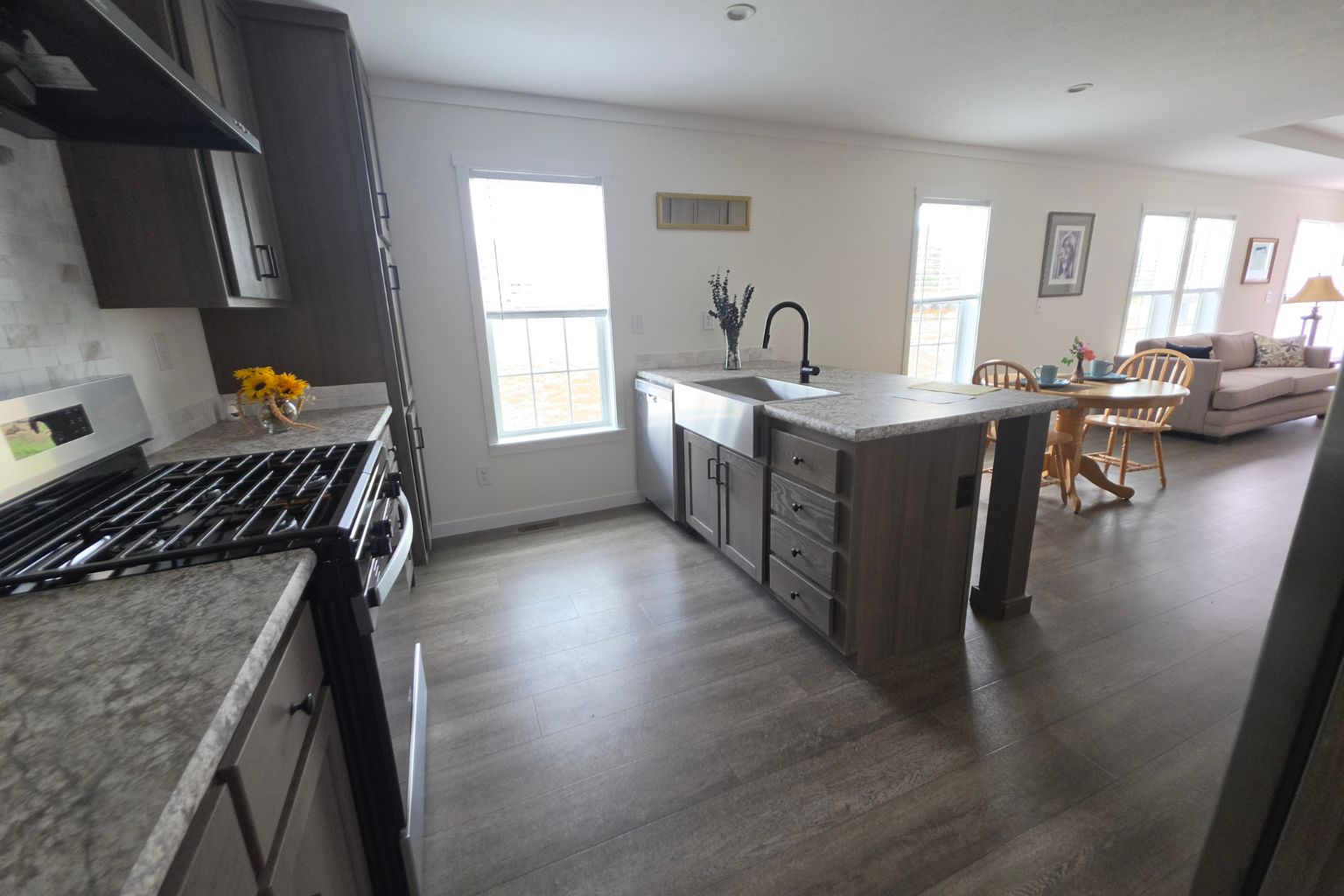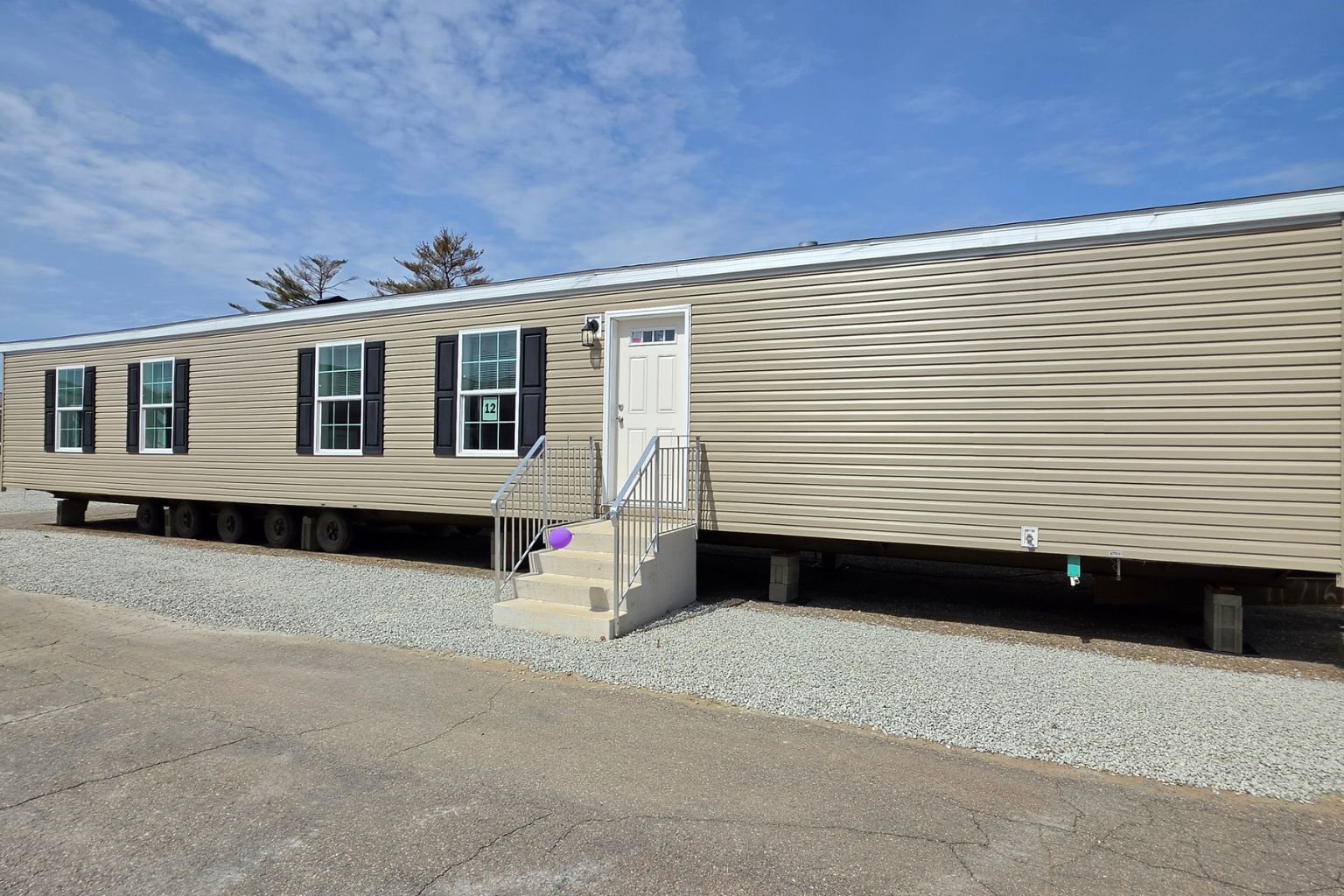
If you’re exploring modular homes in New Hampshire, you’re likely drawn to the promise of faster build times, tighter quality control, and a more predictable price tag than traditional construction. Buying a home is one of the biggest decisions you’ll make, and modular construction adds a few extra questions to the mix: How does financing work? What’s the real difference between modular and manufactured housing? And how do you pick a builder you can trust? This guide walks you through every step, from understanding what modular homes actually are to moving into your finished house, so you can shop with confidence.
What Are Modular Homes, Exactly?
Modular homes are built in sections, or “modules,” inside a climate-controlled factory, then transported to your property and assembled on a permanent foundation. Unlike manufactured homes, modular homes must meet the same state and local building codes as site-built houses in New Hampshire. That means the finished product is structurally identical to a traditional home, just built with more precision and far less exposure to weather delays during construction.
Why Buyers Choose Modular Homes in New Hampshire
New Hampshire’s short building season and unpredictable weather make modular construction especially appealing. Here’s what draws most buyers in:
- Faster completion, since factory work continues regardless of rain, snow, or frost
- Consistent quality control from indoor, precision-based construction
- Fewer material delays and less weather-related site damage
- Energy-efficient building techniques that suit New Hampshire winters
- Flexible floor plans that can be customized to your lot and lifestyle
Step-by-Step: How to Buy a Modular Home
Step 1: Set a Realistic Budget
Start with your total budget, not just the price of the home itself. Factor in land costs, site preparation, foundation work, permits, and utility hookups. A clear number keeps your search focused and helps your builder recommend floor plans that actually fit.
Step 2: Choose a Reputable Local Builder
Your builder shapes the entire experience, from design to delivery. Look for a company with strong local experience, transparent pricing, and a track record of modular homes across New Hampshire. Camelot Homes has helped homeowners throughout the state design and build modular homes suited to New England’s climate and terrain, guiding buyers through every stage of the process.
Step 3: Select and Customize Your Floor Plan
Most builders offer a catalog of base floor plans that can be customized with layout changes, finishes, and add-ons like porches or garages. Think about how your family uses space day to day, not just square footage.
Step 4: Secure Land and Permits
You’ll need a suitable lot, a soil test, and the right permits before construction begins. Your builder or a local contractor can help confirm the site is ready for a foundation and utility connections.
Step 5: Arrange Financing
Modular homes typically qualify for the same mortgage products as site-built homes, including conventional, FHA, and construction-to-permanent loans. Get pre-approved early so you know your price range before finalizing a floor plan.
Step 6: Factory Build, Delivery, and Final Assembly
Once permits and financing are settled, your home is built in modules at the factory while your foundation is prepared on-site. The modules are then delivered and assembled, followed by final inspections, utility connections, and finishing touches before you move in.
Modular vs. Manufactured vs. Site-Built Homes
The main difference comes down to building codes and foundations. Modular homes are built to New Hampshire’s state building code and set on permanent foundations, just like site-built homes. Manufactured homes are built to a federal HUD code and often placed on a chassis. Site-built homes are constructed entirely on location, which takes longer and is more exposed to weather delays. If long-term value and code compliance matter most to you, modular construction offers a strong middle ground between speed and permanence.
What Do Modular Homes Cost in New Hampshire?
Pricing varies based on size, finishes, and site work, but modular homes generally cost less per square foot than comparable site-built houses, largely due to reduced labor time and fewer weather-related delays. Land, foundation, and utility costs are separate from the base home price, so ask any builder for a full itemized estimate rather than just the sticker price of the modules.
Tips for Choosing the Right Modular Home Builder
- Ask to tour previously completed modular homes in New Hampshire
- Review warranty coverage on both the home and its systems
- Confirm the builder handles permitting and code compliance
- Get a written, itemized quote before signing anything
- Choose a team that answers questions clearly and promptly
Camelot Homes works directly with buyers across New Hampshire to simplify each of these steps, from floor plan selection to final walkthrough, so you always know what to expect next.
Frequently Asked Questions
Are modular homes a good investment in New Hampshire?
Yes. Because modular homes meet the same state building codes as site-built houses, they appraise and finance similarly, and they tend to hold their value well when properly maintained.
How long does it take to build a modular home?
Factory construction typically takes a few weeks, and on-site assembly, utility hookups, and finishing work usually add several more. Total timelines vary based on permitting and site readiness.
Can I customize the floor plan of a modular home?
Most builders, including Camelot Homes, offer customizable base plans, letting you adjust room layouts, finishes, and exterior features to match your needs.
Do modular homes hold up in New Hampshire winters?
Yes. Reputable builders construct modular homes to meet New Hampshire’s energy and structural codes, which account for heavy snow loads and cold temperatures.
Is financing a modular home different from a traditional mortgage?
Not usually. Modular homes qualify for conventional, FHA, and construction-to-permanent loans, similar to site-built homes.
What’s the difference between modular and manufactured homes?
Modular homes are built to state building codes and placed on permanent foundations. Manufactured homes follow a federal HUD code and are often set on a chassis rather than a traditional foundation.
Do I need to already own land to buy a modular home?
No, but you will need a suitable lot before construction begins. Many builders can help you evaluate or source land as part of the planning process.
Ready to Start Your Modular Home Journey?
Buying modular homes in New Hampshire doesn’t have to be complicated when you have the right team behind you. From floor plans to final walkthrough, Camelot Homes helps buyers across the state build homes that fit their budget, land, and lifestyle. Call Camelot Homes today at (603) 286-4624 or visit https://cm-h.com/ to explore floor plans and start planning your new modular home.