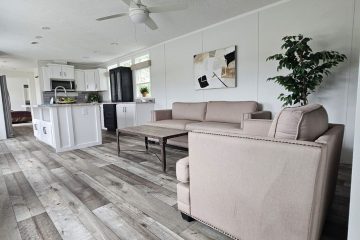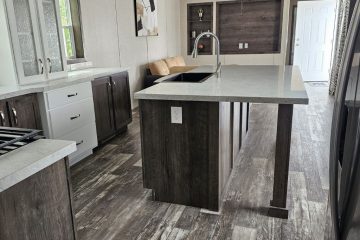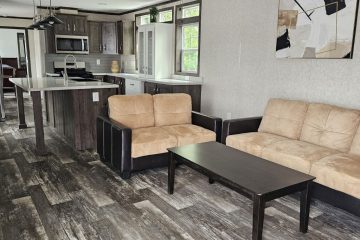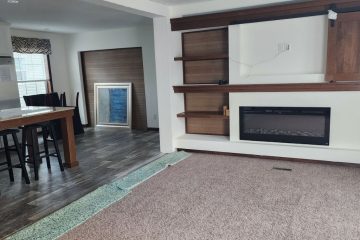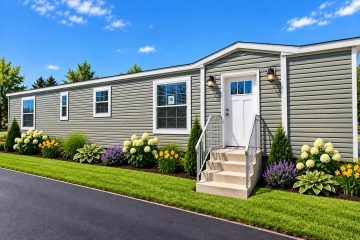

Energy Efficient Modular Homes NH: The Short Answer
Yes, modular homes can be very energy efficient in cold New England winters. Because they are built in a climate-controlled factory with precise framing, quality insulation and careful air sealing, many modular homes perform as well as, or better than, comparable site-built houses.
Still, “energy efficient” is not automatic. The result depends on the specs you choose, the way the home is set on its foundation and how the mechanical systems are designed. Here is what to look at if you are comparing energy efficient modular homes in NH.
Why Modular Construction Helps in Cold Climates
Built Indoors, Protected From the Weather
Traditional builds often face rain, snow and humidity during construction. Lumber and insulation can get wet before the walls are closed. In a factory, materials stay dry, and that matters for long-term energy performance.
Tight Construction and Repeatable Quality
Modular sections are built on a controlled line, so cuts are accurate and joints fit well. Fewer gaps in the framing mean fewer places for heat to escape. Each section is also inspected during production, which can help catch issues early.
Stronger Than You Might Expect
Modules must be built to travel by road and be lifted by crane. That requirement leads to solid structural framing, which also supports a sturdy, well-sealed shell.
What Makes a Modular Home Efficient? Key Features to Ask About
The building method sets the stage. These features finish the job.
- Insulation levels: Ask for the R-values in walls, floors and ceilings, and whether upgrades are available for colder zones.
- High-performance windows: Double or triple-pane, low-E glass reduces heat loss and cold drafts near windows.
- Air sealing: Ask how the seams between modules are sealed during set.
- Efficient heating and cooling: Cold-climate heat pumps have become popular across New England, and many owners pair them with a back-up system.
- Water heating: Heat pump water heaters or high-efficiency models can reduce energy use.
- LED lighting and efficient appliances: Small choices add up over a long winter.
- ENERGY STAR options: Ask what packages or certifications your builder can offer.
Foundation and Set Matter Too
An efficient box can still lose heat if the foundation is poorly planned. Whether your home sits on a full basement, a crawl space or a slab, insulation and air sealing at the foundation line are important. A professional set crew that handles the marriage wall and floor connections carefully helps keep the home tight.
Camelot Home Centers coordinates delivery and set up as part of your project, and our pricing includes delivery and set up, so the work that protects your home’s efficiency is already part of the plan you review.
How Does a Modular Home Compare to a Site-Built Home?
Both can be efficient. The difference is consistency.
| Factor | Modular Home | Typical Site-Built Home |
| Construction environment | Indoor, climate-controlled | Outdoor, weather exposed |
| Material moisture exposure | Lower | Higher risk |
| Build timeline | Often shorter | Often longer |
| Quality checks | Repeated at the factory | Varies by builder |
| Customization | Wide range of plans and upgrades | Fully custom |
The best choice is the one built to a high standard with the features you want. Always ask for the energy specs in writing.
Tips to Lower Your Heating Costs Even More
- Choose a compact, simple footprint. Fewer corners and bump-outs mean less surface area to heat.
- Orient the home for sun. South-facing windows can bring in free winter warmth.
- Plan your heating zones. A ductless heat pump or zoned system keeps comfort even.
- Upgrade the entry doors. Insulated, well-sealed doors are worth the money.
- Schedule an energy audit after move-in. A blower door test can show hidden leaks.
Common Myths About Modular Homes and Cold Weather
“They are flimsy.” Modular homes follow the same building codes as site-built homes in the state where they are installed.
“They lose heat faster.” A well-specified modular home is built tight. Performance comes down to the design and installation, not the label.
“They cannot handle snow.” Roof systems are engineered for local snow loads, and New England builders know what to design for.
Questions to Ask Your Builder
- What insulation values are standard, and what upgrades are offered?
- What window and door options are available?
- How are module seams air sealed?
- Can the home be equipped with a cold-climate heat pump?
- What is included in the price? (With Camelot Home Centers, pricing includes delivery and set up.)
Build Warm, Save Smart
Energy efficient modular homes NH families trust combine factory precision with smart design choices. Ask the right questions, compare specs side by side and pick a home made for the way you live through January.
Ready to see what is possible? Contact Camelot Home Centers at (603) 286-4624 or visit https://cm-h.com/ to browse homes and request details. Remember, pricing includes delivery and set up, so you can see the bigger picture before you decide.