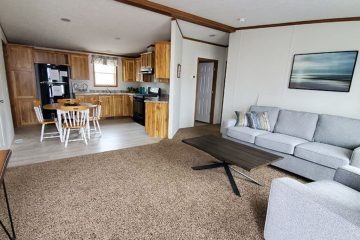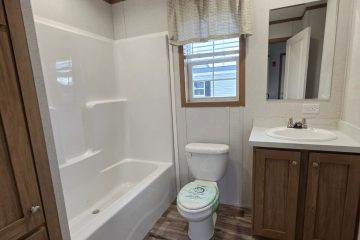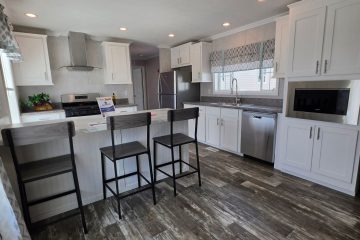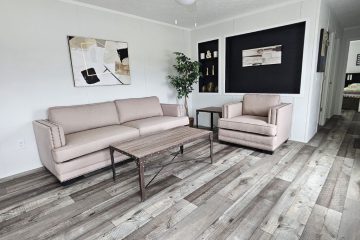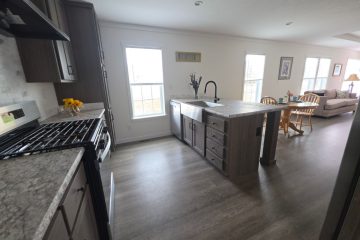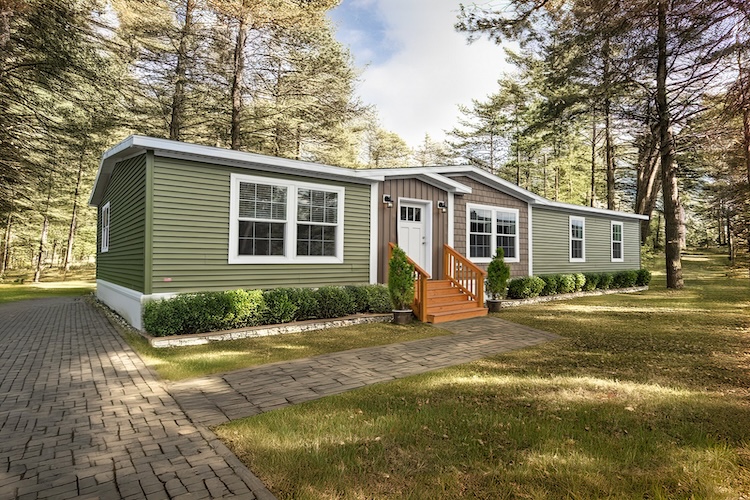
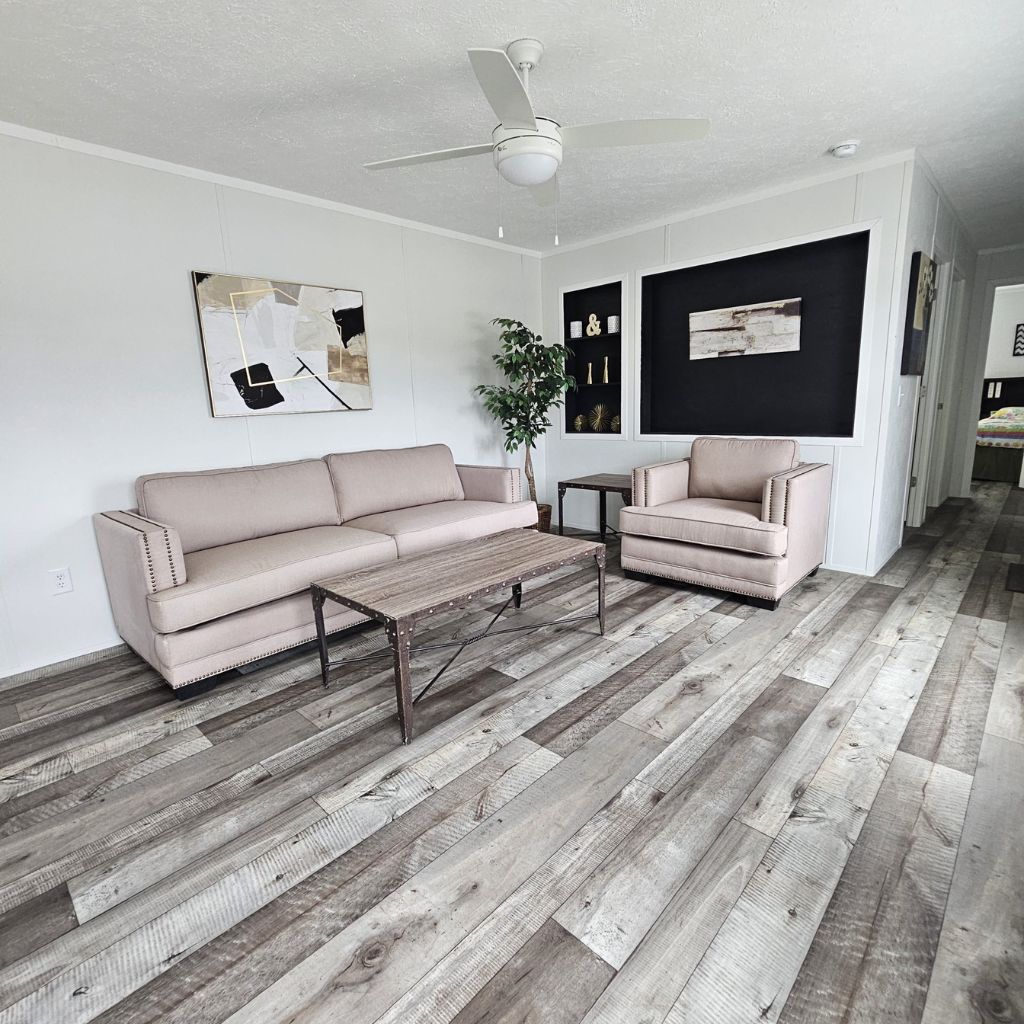
If you’ve been comparing housing options in New England, you’ve probably noticed how often “affordable” gets attached to modular homes. But what does that actually mean once you get past the sticker price? Understanding the true cost of ownership not just the base price is the only way to budget with confidence. At Camelot Home Centers, we walk buyers through every line item so there are no surprises, and this guide breaks down what you can expect if you’re considering affordable modular homes in Maine.
What Goes Into the Price of a Modular Home?
The base price you see in a brochure or online listing typically covers the home itself: the factory-built modules, standard finishes, and basic construction. It rarely includes everything you’ll need to actually live in the home. Here’s what else factors into your total investment:
1. Land Costs
Unless you already own a lot, purchasing land is often the single biggest variable in your budget. Prices vary widely across Maine depending on whether you’re near the coast, in a rural township, or close to a city like Portland or Bangor. Rural lots tend to be significantly cheaper, which is part of why modular homes pair so well with land purchases in less densely populated areas.
2. Site Preparation
Before your home arrives, the land needs to be graded, cleared, and prepped. This can include tree removal, excavation, and creating a level building pad. Costs here depend heavily on the condition of your lot a flat, already-cleared parcel will cost far less to prepare than a wooded or sloped one.
3. Foundation
Modular homes can be set on a variety of foundation types, including full basements, crawl spaces, and slab foundations. A basement adds usable square footage and storage but costs more upfront than a crawl space or slab. Your choice here should balance your budget with your long-term needs, especially if you’re planning to finish a basement later for extra living space.
4. Utility Connections
Connecting to municipal water and sewer is usually more affordable than installing a septic system and drilling a well, but rural Maine properties often require the latter. Electrical hookups, especially if you’re extending service from a distant utility pole, can also add unexpected cost.
5. Delivery and Installation (Set Costs)
Transporting the modules from the factory to your site and craning them into place is a specialized process. Distance from the manufacturing facility, road accessibility, and the complexity of the set all affect this cost.
6. Permits and Inspections
Every municipality has its own permitting fees and inspection requirements. Maine’s building codes are generally straightforward for modular construction, but it’s worth budgeting for permit fees, engineering reports if required, and any local hookup fees.
7. Finishing Touches
Driveways, landscaping, decks, garages, and interior upgrades like flooring or cabinetry beyond the standard package all add to your final number. These are also the easiest places to phase costs over time if your initial budget is tight.
Why Modular Still Comes Out Ahead
Even accounting for all of these additional costs, modular construction typically comes in below site-built homes of comparable size and quality. That’s because:
- Factory efficiency reduces waste. Materials are purchased in bulk and construction happens indoors, protected from weather delays that can stall a site-built project for weeks.
- Labor costs are more predictable. Skilled factory teams build to the same standards every time, which reduces the change orders and rework common in traditional construction.
- Faster timelines mean lower carrying costs. The shorter your construction period, the less you’ll pay in temporary housing, storage, or extended loan interest before you move in.
Long-Term Cost Considerations
The true cost of ownership doesn’t stop once you move in. A few areas worth planning for:
- Energy efficiency. Modern modular homes are built to strict energy codes, often outperforming older site-built homes in insulation and air sealing. This translates to lower heating bills a meaningful factor in Maine winters.
- Maintenance. Because modular homes are built with the same materials as traditional homes, ongoing maintenance costs are comparable to any other well-built house.
- Resale value. Quality modular homes appreciate similarly to site-built homes when built on a permanent foundation and properly maintained, especially when built by an established company with a strong local reputation.
Getting an Accurate Estimate
The best way to understand your true cost is to work with a team that builds locally and knows the permitting, land, and utility landscape in Maine. Every property is different, and a generic online calculator can’t account for your specific lot conditions or municipality’s requirements.
Camelot Home Centers has helped Maine and New Hampshire families navigate every stage of this process, from choosing a floor plan to understanding the full scope of site work. We provide transparent, itemized estimates so you know exactly what you’re paying for before you sign anything.
Frequently Asked Questions
Is a modular home actually cheaper than a stick-built home? Generally, yes. Modular homes typically cost 10–20% less than comparable site-built homes, mainly due to factory efficiency and shorter construction timelines. However, land, site work, and finishing costs apply to both types of construction and should be budgeted separately.
Do modular homes hold their value? Yes, when built on a permanent foundation and maintained properly, modular homes appreciate similarly to traditional homes. Appraisers typically evaluate them the same way they would a site-built house of similar size and quality.
What’s the biggest hidden cost people forget about? Site work is the most commonly underestimated cost. Excavation, well and septic installation, and utility hookups can add tens of thousands of dollars depending on your property, so it’s important to get a site evaluation early in the process.
Can I finance a modular home the same way as a traditional home? Yes. Modular homes on permanent foundations typically qualify for the same conventional, FHA, VA, and USDA loan programs available to site-built homes.
How long does the whole process take from start to move-in? Timelines vary, but many buyers move in within a few months of signing, compared to potentially a year or more for a fully custom site-built home, depending on permitting and site conditions.
Ready to Get a Real Number?
If you’re ready to see what affordable modular homes in Maine could look like for your budget and property, Camelot Home Centers can walk you through a full, transparent cost breakdown. Call us today at (603) 286-4624 to speak with our team.