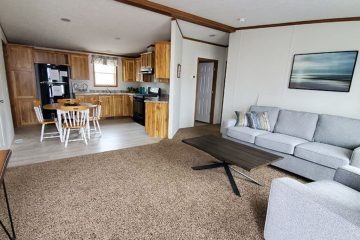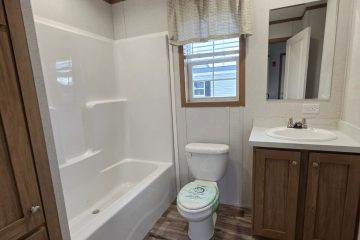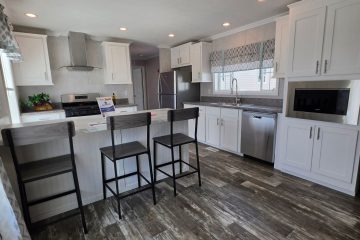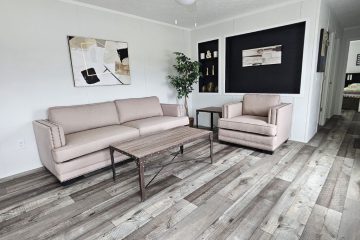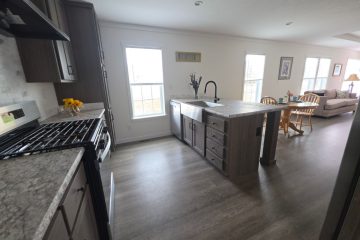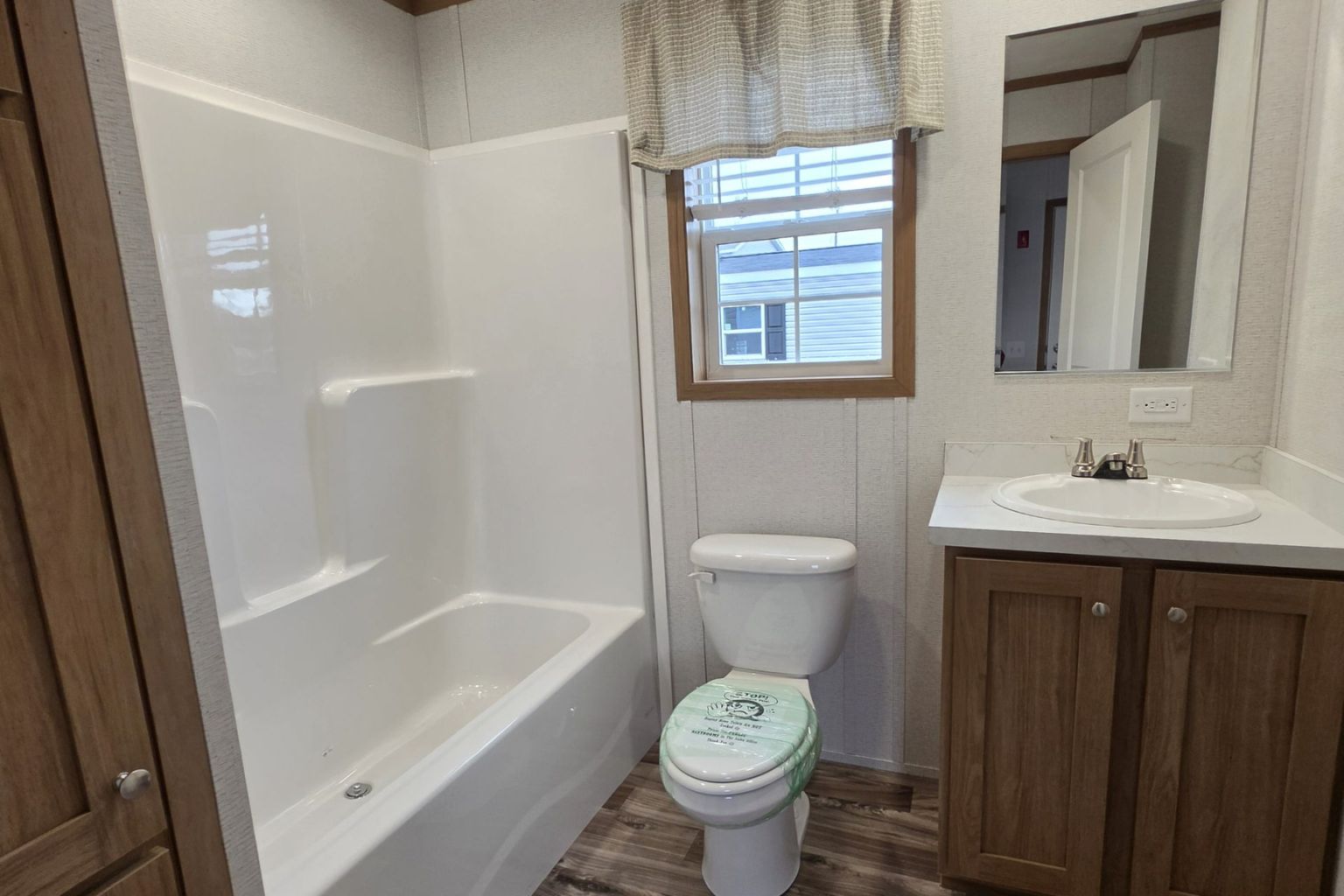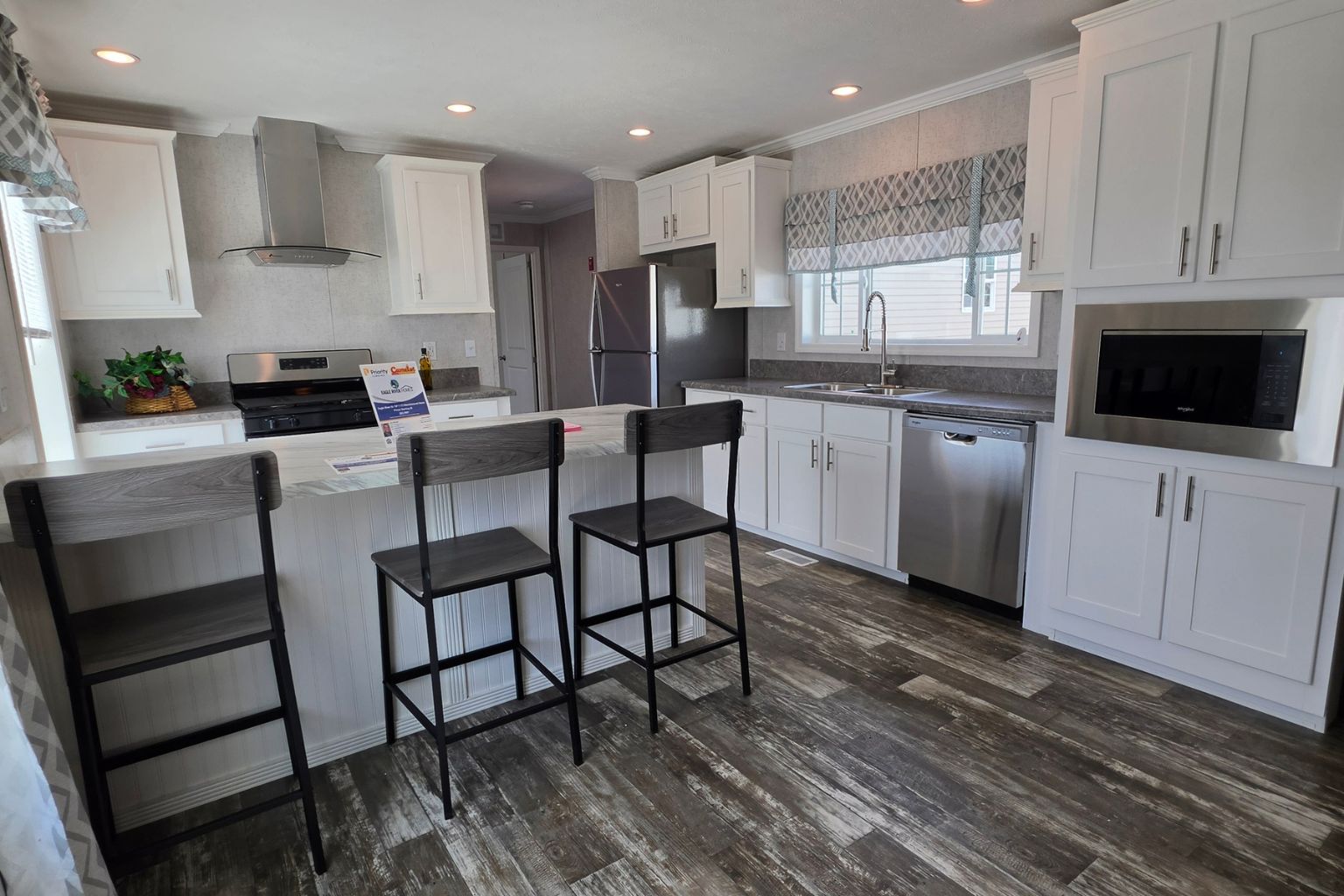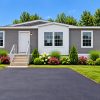
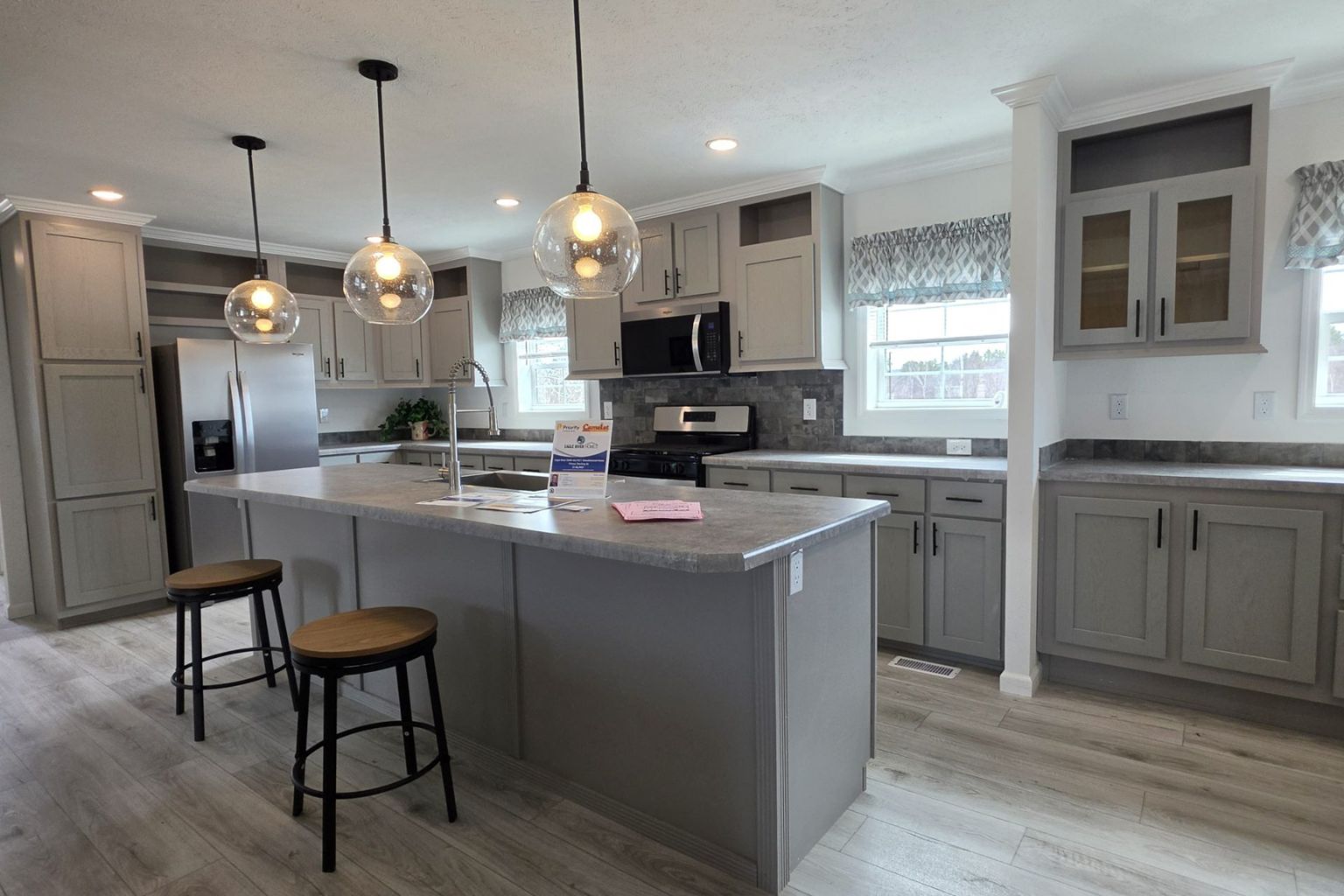
Building a home from the ground up can take a year or longer, with costs that seem to climb every month due to labor shortages, weather delays, and material price swings. That’s why more buyers across the region are turning to prefab homes New England builders can deliver faster and at a lower overall cost than traditional construction.
At Camelot Home Centers, we’ve watched families discover that prefab construction isn’t a compromise. It’s a smarter way to build. This guide explains exactly how prefab homes save time and money, so you can decide if this approach is right for your next home.
What Are Prefab Homes?
Prefab, short for prefabricated, refers to homes built in sections or modules inside a controlled factory environment, then transported and assembled on your property. Unlike traditional stick-built homes constructed entirely on-site, prefab homes are engineered with precision indoors before ever touching your foundation.
This process includes several types of construction:
· Modular homes built in large sections and assembled on-site
· Manufactured homes built entirely in a factory on a permanent chassis
· Panelized homes built as wall and roof panels, then assembled on location
Each option offers its own advantages, but all share one core benefit: significantly faster, more predictable construction.
How Prefab Homes Save Construction Time
1. Factory and Site Work Happen Simultaneously
With traditional construction, site preparation and home building happen one after another. Prefab construction changes that. While your foundation, utilities, and driveway are being prepared on-site, your home is being built in the factory at the same time. This overlap alone can cut months off the total project timeline.
2. No Weather Delays
Rain, snow, and extreme temperatures are some of the biggest culprits behind construction delays, especially in New England’s unpredictable climate. Because prefab homes are built indoors, weather has virtually no impact on the building schedule. Your home progresses on a consistent timeline regardless of what’s happening outside.
3. Streamlined, Repeatable Processes
Factory construction follows standardized, efficient workflows. Skilled teams work on specific stages of the build in a controlled setting, reducing the inefficiencies and scheduling conflicts common on traditional job sites where multiple subcontractors must coordinate around each other.
4. Faster Move-In Timelines
While a site-built home can take 7 to 12 months or longer, many prefab homes are ready for move-in within a matter of weeks to a few months after the order is placed, depending on the size and customization level.
How Prefab Homes Save Construction Costs
1. Reduced Labor Costs
Factory-based construction relies on efficient, specialized labor teams working in a fixed location, which reduces overtime, travel expenses, and the labor inefficiencies often seen on traditional job sites.
2. Bulk Material Purchasing
Because prefab builders construct homes on a larger, more consistent scale, they can purchase materials in bulk at lower prices. Those savings are passed along to buyers, something individual site-built projects rarely achieve.
3. Minimal Material Waste
Factory construction is highly precise, with materials cut and measured for exact specifications. This significantly reduces the wasted lumber, drywall, and other materials that commonly occur on traditional construction sites.
4. Fewer Delays Mean Fewer Added Costs
Every delay in traditional construction, whether from weather, labor shortages, or scheduling conflicts, adds carrying costs like extended loan interest, temporary housing, and storage fees. Prefab’s faster, more predictable timeline helps you avoid many of these hidden expenses.
5. Predictable Pricing
Prefab homes typically come with more transparent, upfront pricing structures. This makes it easier to budget accurately from the start, without the surprise change orders that often inflate the cost of custom-built homes.
Why Prefab Homes Are a Smart Choice for New England Buyers
New England’s climate and seasonal construction windows make traditional building especially challenging. Snow, mud season, and shorter daylight hours can stall progress for months at a time. Prefab construction sidesteps these regional obstacles by keeping the majority of the build indoors.
Buyers searching for prefab homes New England communities offer are often looking for:
· Faster occupancy without sacrificing build quality
· Energy-efficient homes designed for cold-weather performance
· Customizable floor plans that fit New England lifestyles
· A more predictable, stress-free building experience
Is a Prefab Home Right for You?
Prefab homes are an excellent fit if you value:
· Speed – You want to move in sooner rather than later
· Budget predictability – You prefer fewer surprises during construction
· Quality control – You want consistent, factory-tested craftsmanship
· Flexibility – You need a home that fits a range of lot types and sizes
If these priorities resonate with you, prefab construction offers a practical, cost-effective path to homeownership.
Start Your Prefab Home Journey with Camelot Home Centers
Choosing the right builder makes all the difference when it comes to quality, transparency, and long-term value. At Camelot Home Centers, we help New England homebuyers explore a wide range of prefab and manufactured home options, backed by honest guidance and dependable service from start to finish.
Our team will walk you through floor plans, pricing, and site requirements so you know exactly what to expect before you commit.
Visit us at cm-h.com Call us today at (603) 286-4624
Frequently Asked Questions
1. How much faster is building a prefab home compared to a traditional home? Prefab homes can often be completed in a few weeks to a few months, compared to 7 to 12 months or longer for traditional site-built construction.
2. Are prefab homes cheaper than traditional homes? Yes, in most cases. Prefab homes benefit from bulk material purchasing, reduced labor costs, and minimal waste, which typically results in lower overall construction costs.
3. Do prefab homes hold up well in New England weather? Yes. Reputable prefab builders design homes with insulation, materials, and construction standards suited for cold climates, making them well-equipped to handle New England winters.
4. Can I customize a prefab home’s floor plan? Absolutely. Most prefab and modular homes offer a range of customizable layouts, finishes, and add-ons to match your lifestyle and preferences.
5. What’s the difference between modular and manufactured homes? Modular homes are built in sections and placed on a permanent foundation, while manufactured homes are built entirely in a factory on a steel chassis. Both offer faster construction than traditional building.
6. Do prefab homes require a special type of land or lot? Most standard residential lots can accommodate a prefab home, though specific site requirements vary based on local zoning and the home’s size. Our team can help evaluate your property before you buy.
7. Is financing available for prefab homes? Yes, many lenders offer financing options for prefab and manufactured homes. Camelot Home Centers can help connect you with lending solutions that fit your budget.
8. How long do prefab homes last compared to traditional homes? When properly maintained, prefab homes can last just as long as traditional site-built homes, often 30 to 50 years or more, thanks to strict factory quality control standards.
Ready to Build Smarter, Not Slower
Prefab construction offers a faster, more cost-effective way to achieve the home you’ve been planning for, without the delays and unpredictability that often come with traditional building. If you’re exploring prefab homes New England buyers trust for quality and value, Camelot Home Centers is here to help.
Reach out today at (603) 286-4624 or visit cm-h.com to explore available floor plans and start planning your move-in timeline.