
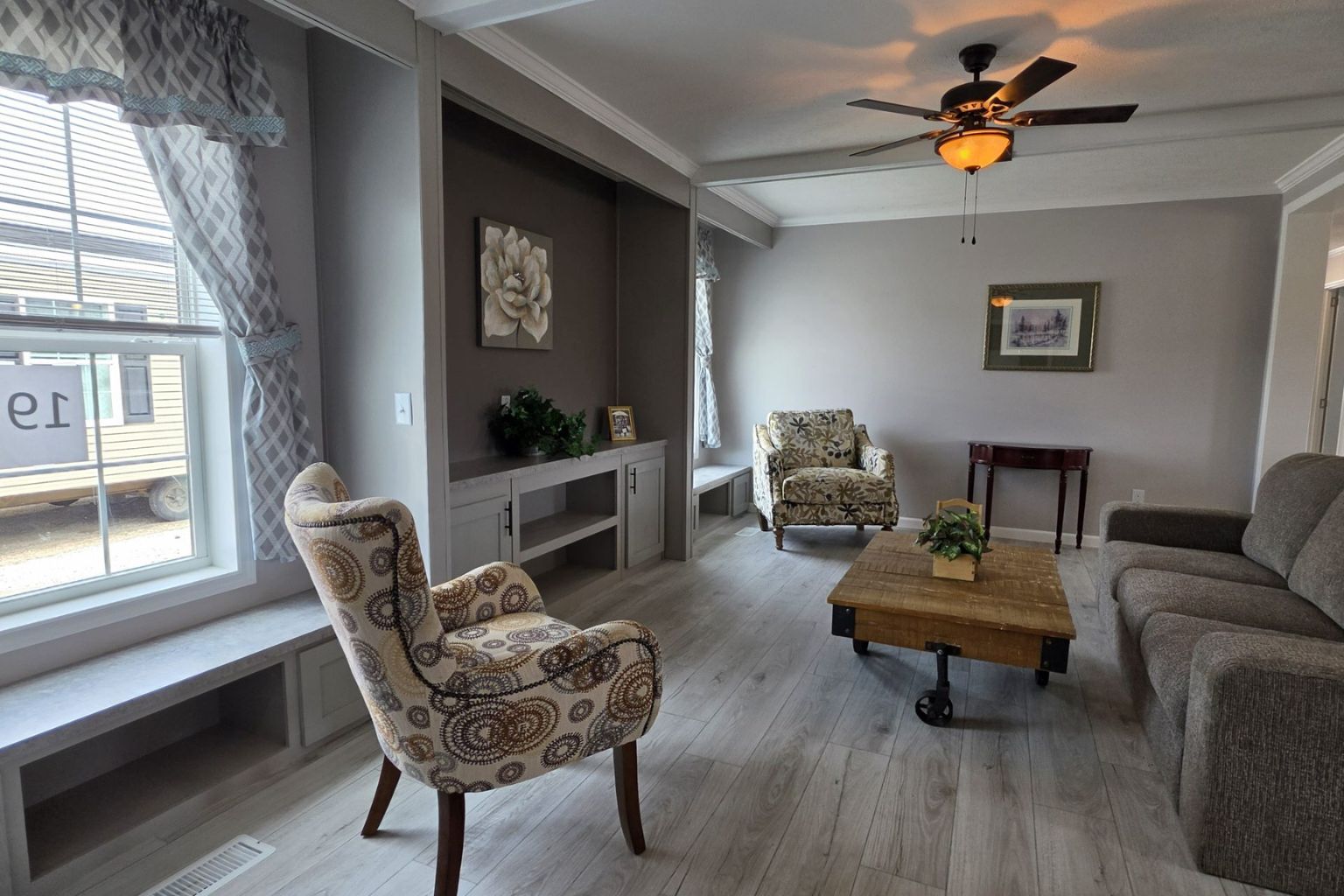
Manufactured homes
Property Investment
What Makes a Reliable Manufactured Home Dealer?
Buying a manufactured home is one of the biggest financial decisions most people will ever make, and the dealer you choose can make the difference between a smooth, confidence-building experience and a stressful, costly headache. With so many manufactured home dealers in NH competing for your business, it’s not always obvious which ones will actually stand behind their homes, their pricing, and their promises long after the sale is closed. Knowing what separates a trustworthy dealer from an average one can save you time, money, and a lot of frustration. At Camelot Home Centers, we believe that reliability isn’t a marketing slogan it’s a pattern of behavior you can verify before you ever sign a contract. Below, we break down the qualities that define a dependable manufactured home dealer, so you know exactly what to look for on your search. 1. A Long-Standing, Verifiable Track Record Reliability starts with experience. A dealer that has been serving New Hampshire families for years through changing markets, economic ups and downs, and evolving building codes has proven it can adapt and continue delivering results. Longevity in this industry isn’t accidental; it’s earned through repeat customers, word-of-mouth referrals, and a reputation that holds up over time. When evaluating a dealer, ask how long they’ve operated in the area, how many homes they’ve sold locally, and whether they can connect you with past customers. A dealer confident in their work will have no problem sharing references or pointing you toward online reviews. 2. Transparent Pricing and Honest Communication One of the most common frustrations home buyers report is hidden costs that appear after they’ve already committed. A reliable dealer lays out pricing clearly from the start the base price of the home, site preparation costs, delivery and installation fees, permitting, utility hookups, and any optional upgrades. There should be no guessing games. Transparency also extends to communication style. Does the sales team answer your questions directly, or do they deflect and rush you toward a decision? A trustworthy dealer treats every buyer as a long-term relationship, not a one-time transaction, and that shows in how patiently and clearly they explain the process. 3. A Wide Selection of Quality-Built Homes Reliable dealers partner with reputable manufacturers known for strong construction standards, energy efficiency, and durable materials. They should be able to walk you through the differences between floor plans, single-wide versus multi-section homes, and various customization options, helping you match a home to your lifestyle, family size, and budget rather than pushing whatever is easiest to sell. A dealer with a limited or outdated inventory may not have the flexibility to meet your specific needs. Look for a showroom or model lineup that reflects current design trends, modern layouts, and energy-efficient construction signs that the dealer stays current with what today’s buyers actually want. 4. In-House or Trusted Support for Financing Financing a manufactured home is different from financing a traditional site-built house, and not every lender understands the nuances involved. A dependable dealer either offers in-house financing guidance or maintains strong relationships with lenders who specialize in manufactured and modular home loans. This matters because financing missteps wrong loan type, unfavorable terms, or delays in approval can derail an otherwise perfect home purchase. Ask potential dealers what financing options they offer or recommend, and whether they can help you understand loan terms, down payment requirements, and credit considerations specific to manufactured housing. 5. Full-Service Support From Land to Move-In Buying the home itself is only part of the process. A truly reliable dealer supports you through site evaluation, permitting, foundation work, utility connections, delivery, and final setup. Coordinating all of these moving parts requires experience and established relationships with local contractors, inspectors, and utility providers. If a dealer only sells the home and leaves you to figure out the rest, you’re left managing a complex logistical puzzle on your own. Full-service dealers reduce that burden significantly, acting as a single point of contact throughout the entire journey not just during the sales conversation. 6. Knowledge of Local Codes and Regulations New Hampshire has its own zoning rules, setback requirements, and building codes that vary by town. A dealer who regularly works in the state will know how to navigate these regulations efficiently, helping you avoid delays or costly compliance issues. This local expertise is something out-of-state or inexperienced dealers often lack, which can lead to unexpected complications during permitting or inspection. 7. Strong After-Sale Support and Warranty Service The relationship with a reliable dealer doesn’t end once the home is delivered. Manufactured homes, like any home, may need warranty repairs, adjustments, or maintenance guidance after move-in. A dealer who remains responsive and helpful after the sale rather than disappearing once the check clears demonstrates genuine commitment to customer satisfaction. Before purchasing, ask how warranty claims are handled, what the response time typically looks like, and whether the dealer has an internal service team or relies entirely on the manufacturer. 8. Genuine Customer-First Attitude Perhaps the clearest sign of reliability is simply how a dealer treats you during the process. Do they take time to understand your needs, budget, and timeline? Do they offer honest advice even when it means recommending a smaller or less expensive home that better fits your situation? Or does every conversation seem to steer toward the most expensive option available? A customer-first dealer prioritizes your long-term satisfaction over a quick sale, and that mindset tends to show up in every interaction, from your first phone call to your final walkthrough. Why Buyers Trust Camelot Home Centers At Camelot Home Centers, we’ve built our reputation in New Hampshire on the principles outlined above: honest pricing, quality homes, local expertise, and support that doesn’t stop at the sale. Whether you’re a first-time buyer or looking to upgrade, our team is here to guide you through every step from choosing the right floor plan to coordinating site work and financing. If you’re exploring manufactured home dealers in NH and want a team that treats
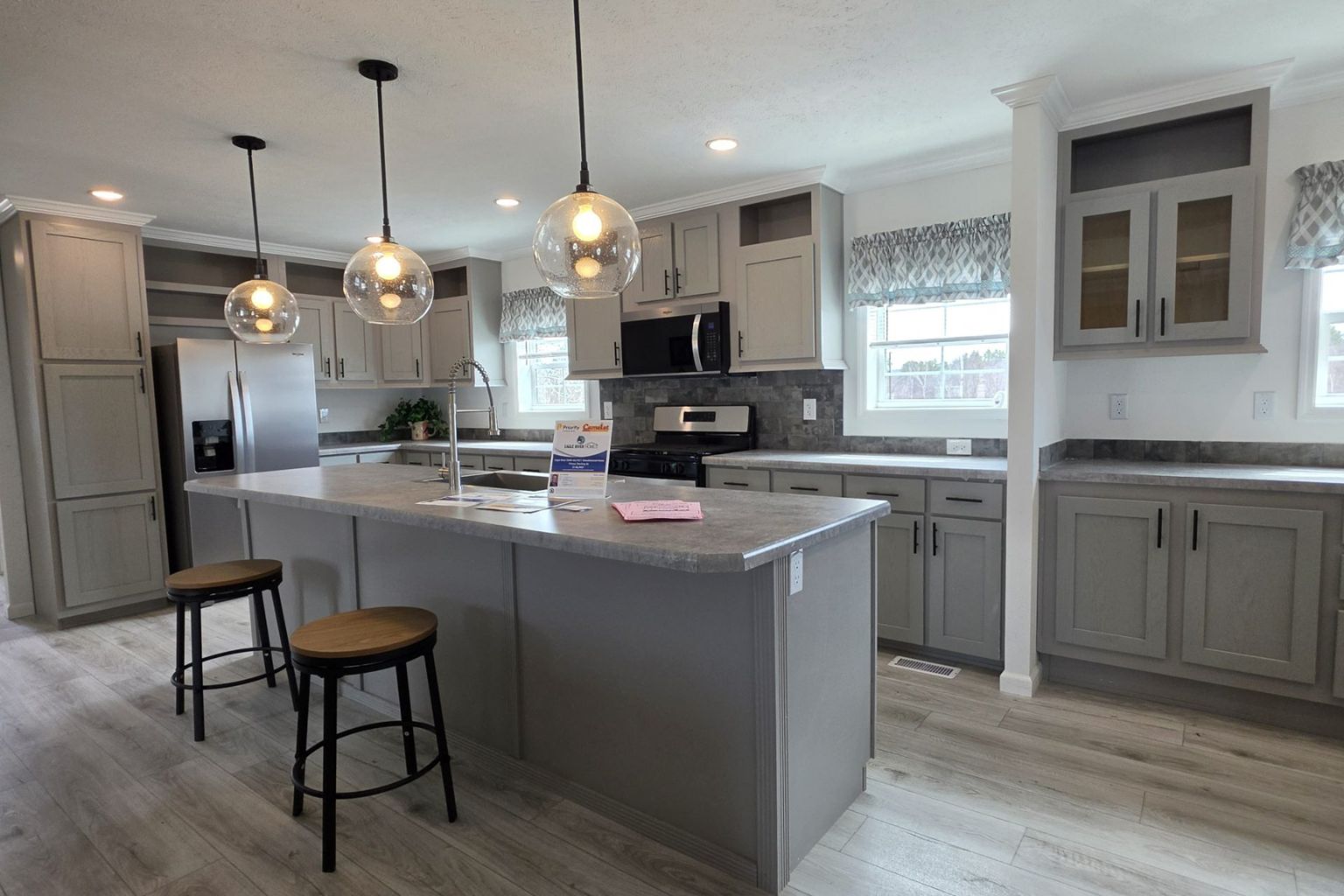
Home Buying
Home Improvement
Property Investment
How Prefab Homes Save Time and Construction Costs
Building a home from the ground up can take a year or longer, with costs that seem to climb every month due to labor shortages, weather delays, and material price swings. That’s why more buyers across the region are turning to prefab homes New England builders can deliver faster and at a lower overall cost than traditional construction. At Camelot Home Centers, we’ve watched families discover that prefab construction isn’t a compromise. It’s a smarter way to build. This guide explains exactly how prefab homes save time and money, so you can decide if this approach is right for your next home. What Are Prefab Homes? Prefab, short for prefabricated, refers to homes built in sections or modules inside a controlled factory environment, then transported and assembled on your property. Unlike traditional stick-built homes constructed entirely on-site, prefab homes are engineered with precision indoors before ever touching your foundation. This process includes several types of construction: · Modular homes built in large sections and assembled on-site · Manufactured homes built entirely in a factory on a permanent chassis · Panelized homes built as wall and roof panels, then assembled on location Each option offers its own advantages, but all share one core benefit: significantly faster, more predictable construction. How Prefab Homes Save Construction Time 1. Factory and Site Work Happen Simultaneously With traditional construction, site preparation and home building happen one after another. Prefab construction changes that. While your foundation, utilities, and driveway are being prepared on-site, your home is being built in the factory at the same time. This overlap alone can cut months off the total project timeline. 2. No Weather Delays Rain, snow, and extreme temperatures are some of the biggest culprits behind construction delays, especially in New England’s unpredictable climate. Because prefab homes are built indoors, weather has virtually no impact on the building schedule. Your home progresses on a consistent timeline regardless of what’s happening outside. 3. Streamlined, Repeatable Processes Factory construction follows standardized, efficient workflows. Skilled teams work on specific stages of the build in a controlled setting, reducing the inefficiencies and scheduling conflicts common on traditional job sites where multiple subcontractors must coordinate around each other. 4. Faster Move-In Timelines While a site-built home can take 7 to 12 months or longer, many prefab homes are ready for move-in within a matter of weeks to a few months after the order is placed, depending on the size and customization level. How Prefab Homes Save Construction Costs 1. Reduced Labor Costs Factory-based construction relies on efficient, specialized labor teams working in a fixed location, which reduces overtime, travel expenses, and the labor inefficiencies often seen on traditional job sites. 2. Bulk Material Purchasing Because prefab builders construct homes on a larger, more consistent scale, they can purchase materials in bulk at lower prices. Those savings are passed along to buyers, something individual site-built projects rarely achieve. 3. Minimal Material Waste Factory construction is highly precise, with materials cut and measured for exact specifications. This significantly reduces the wasted lumber, drywall, and other materials that commonly occur on traditional construction sites. 4. Fewer Delays Mean Fewer Added Costs Every delay in traditional construction, whether from weather, labor shortages, or scheduling conflicts, adds carrying costs like extended loan interest, temporary housing, and storage fees. Prefab’s faster, more predictable timeline helps you avoid many of these hidden expenses. 5. Predictable Pricing Prefab homes typically come with more transparent, upfront pricing structures. This makes it easier to budget accurately from the start, without the surprise change orders that often inflate the cost of custom-built homes. Why Prefab Homes Are a Smart Choice for New England Buyers New England’s climate and seasonal construction windows make traditional building especially challenging. Snow, mud season, and shorter daylight hours can stall progress for months at a time. Prefab construction sidesteps these regional obstacles by keeping the majority of the build indoors. Buyers searching for prefab homes New England communities offer are often looking for: · Faster occupancy without sacrificing build quality · Energy-efficient homes designed for cold-weather performance · Customizable floor plans that fit New England lifestyles · A more predictable, stress-free building experience Is a Prefab Home Right for You? Prefab homes are an excellent fit if you value: · Speed – You want to move in sooner rather than later · Budget predictability – You prefer fewer surprises during construction · Quality control – You want consistent, factory-tested craftsmanship · Flexibility – You need a home that fits a range of lot types and sizes If these priorities resonate with you, prefab construction offers a practical, cost-effective path to homeownership. Start Your Prefab Home Journey with Camelot Home Centers Choosing the right builder makes all the difference when it comes to quality, transparency, and long-term value. At Camelot Home Centers, we help New England homebuyers explore a wide range of prefab and manufactured home options, backed by honest guidance and dependable service from start to finish. Our team will walk you through floor plans, pricing, and site requirements so you know exactly what to expect before you commit. Visit us at cm-h.com Call us today at (603) 286-4624 Frequently Asked Questions 1. How much faster is building a prefab home compared to a traditional home? Prefab homes can often be completed in a few weeks to a few months, compared to 7 to 12 months or longer for traditional site-built construction. 2. Are prefab homes cheaper than traditional homes? Yes, in most cases. Prefab homes benefit from bulk material purchasing, reduced labor costs, and minimal waste, which typically results in lower overall construction costs. 3. Do prefab homes hold up well in New England weather? Yes. Reputable prefab builders design homes with insulation, materials, and construction standards suited for cold climates, making them well-equipped to handle New England winters. 4. Can I customize a prefab home’s floor plan? Absolutely. Most prefab and modular homes offer a range of customizable layouts, finishes, and add-ons to match your lifestyle and preferences.
Recent Posts
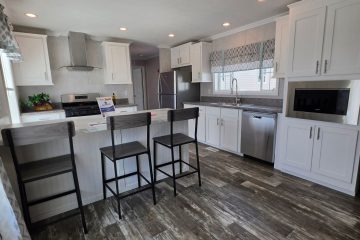
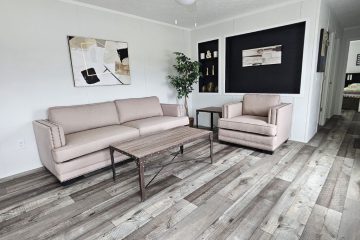
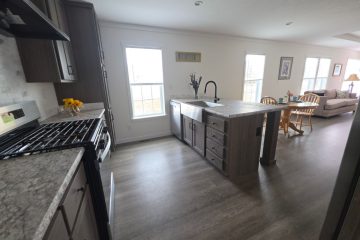
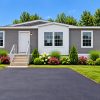
Colony A32093
$131,995
Colony DE3030
$150,995
