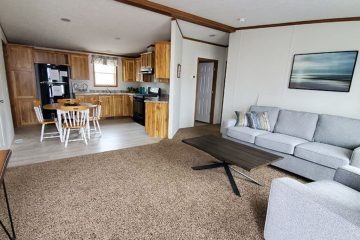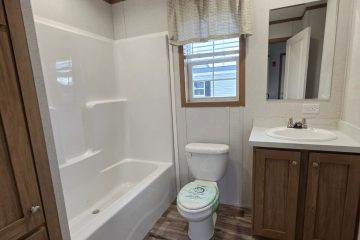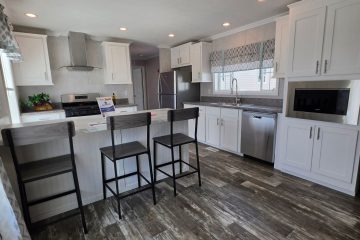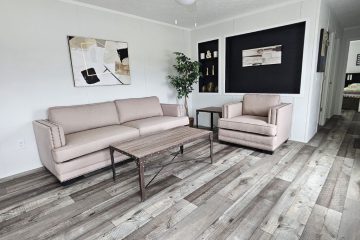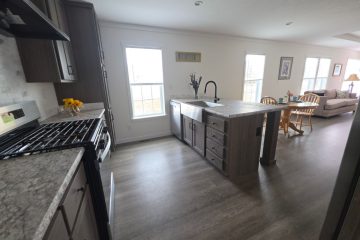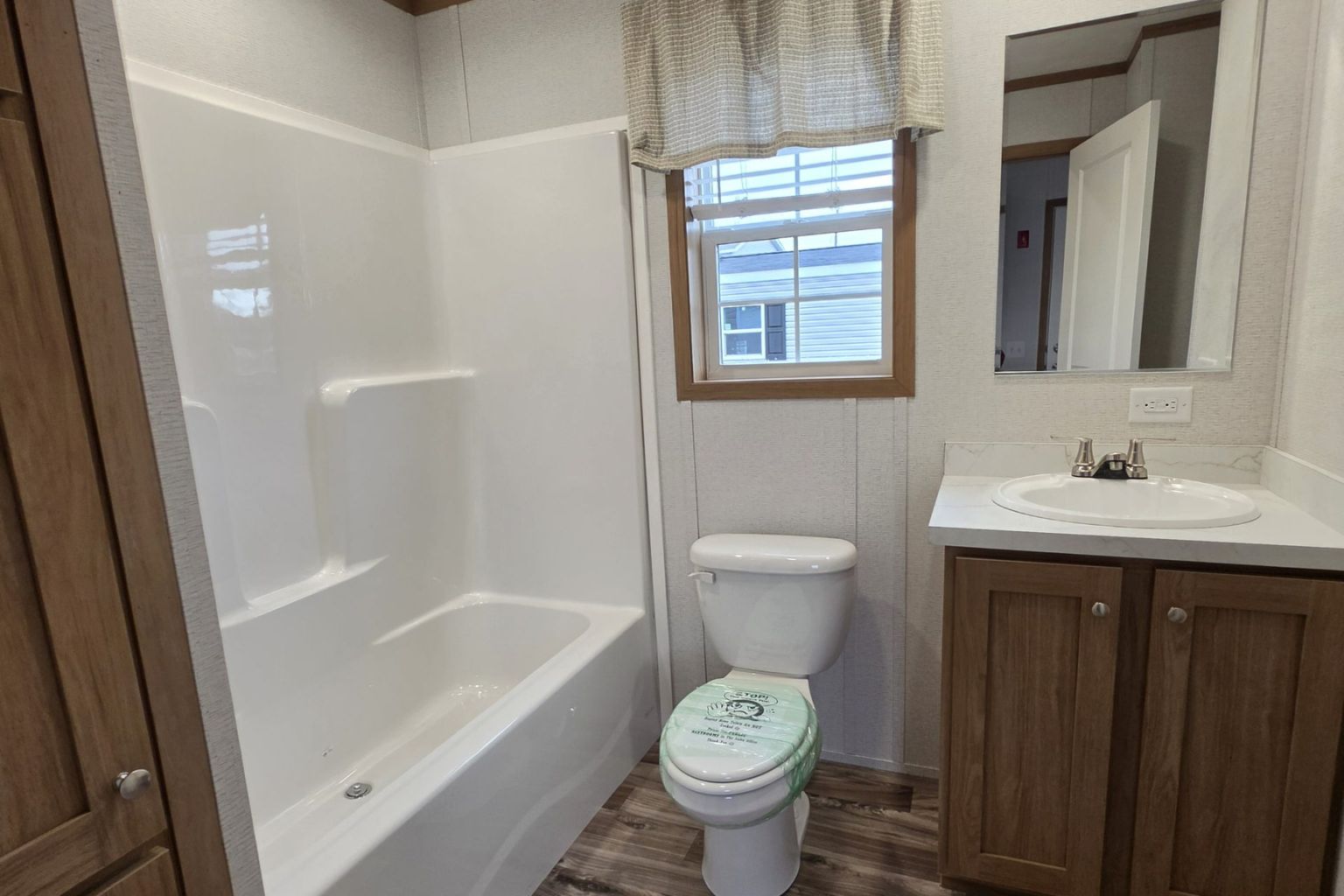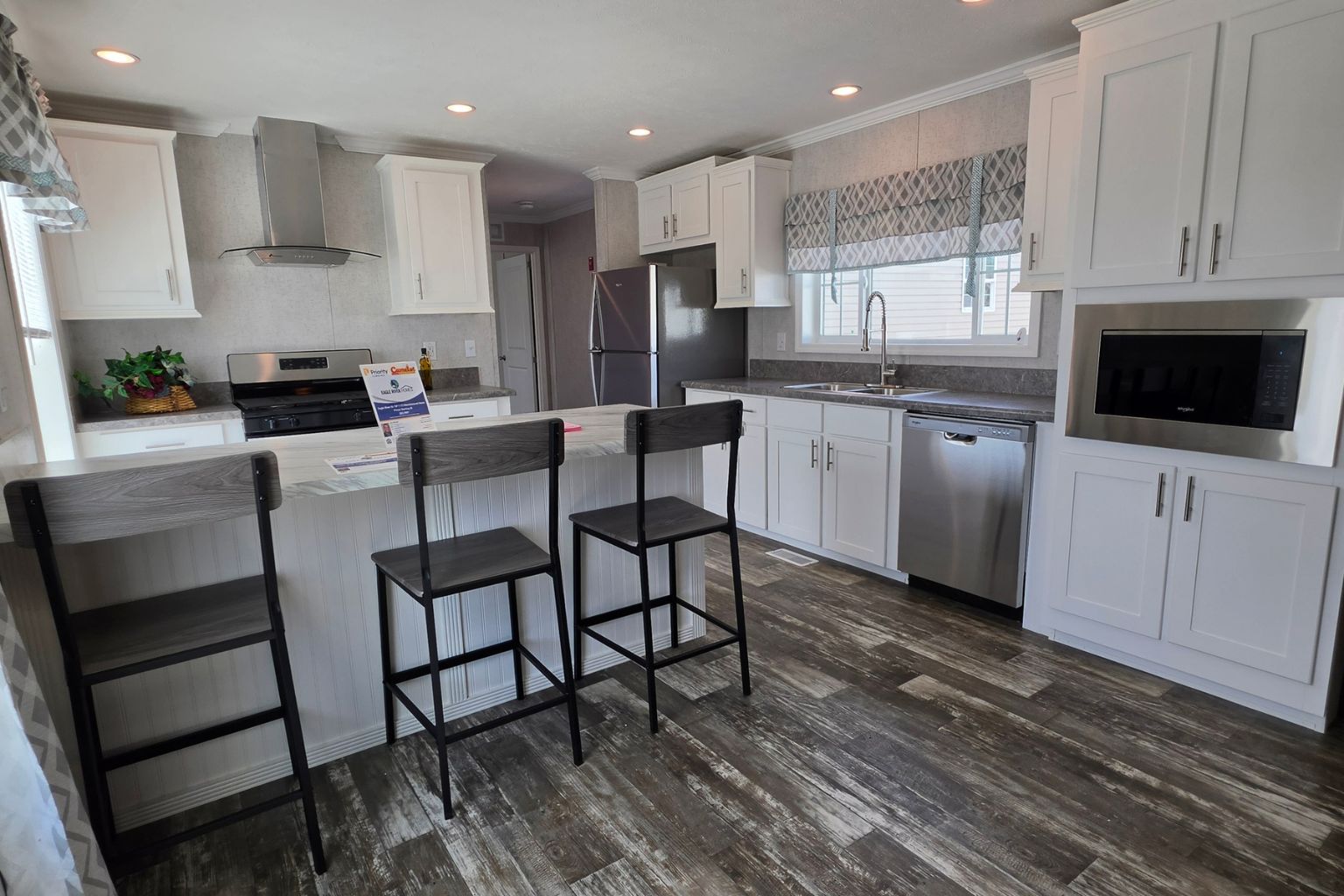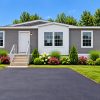
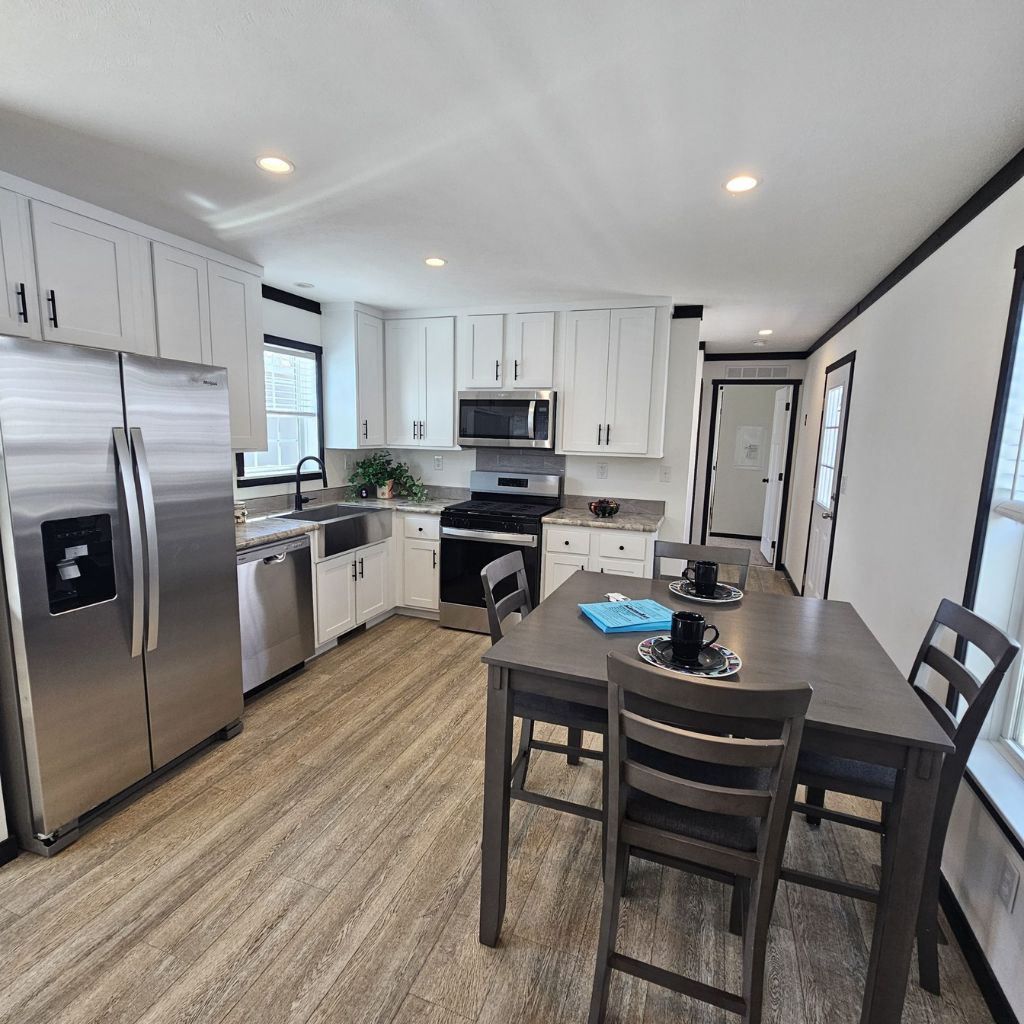
Prefab construction has come a long way from the outdated stereotypes many people still associate with it. Today’s prefabricated homes offer energy efficiency, design flexibility, and build quality that rivals and often exceeds traditional site-built construction. As more homebuyers across the region search for prefab homes New England builders can actually stand behind, it’s worth understanding exactly what prefab construction involves, how it works, and why it’s become such a popular choice for smart, budget-conscious buyers.
Whether you’re comparing prefab to traditional construction for the first time or you’re ready to move forward with a build, this guide covers everything you need to know before getting started.
What Does “Prefab” Actually Mean?
“Prefab” is short for prefabricated, referring to any home where significant portions of construction happen off-site in a controlled factory environment before being transported and assembled on your property. This is a broad category that includes several distinct types of construction:
- Modular homes are built in sections to local and state building codes, then transported and assembled on a permanent foundation.
- Manufactured homes are built entirely in a factory to federal HUD code and remain on a steel chassis.
- Panelized homes are built with wall panels constructed off-site, then assembled on location.
Understanding which category fits your goals is the first step, since financing, appraisal, and long-term value can vary between these options.
Why Factory-Built Construction Produces Higher Quality
One of the biggest misconceptions about prefab homes is that factory construction means lower quality. In reality, the opposite is often true. Building in a controlled indoor environment eliminates many of the variables that cause problems with traditional construction, such as weather delays, moisture damage to materials, and inconsistent labor conditions.
Factory settings also allow for tighter quality control at every stage. Materials are protected from rain and snow throughout the build, workers use specialized equipment and repeatable processes, and each section typically goes through multiple quality inspections before it ever leaves the facility. This consistency often results in tighter construction, better insulation performance, and fewer callbacks after move-in compared to homes built entirely outdoors.
The Speed Advantage of Prefab Construction
Traditional home construction can be delayed for weeks or months due to weather, material shortages, or scheduling conflicts among subcontractors. Prefab construction sidesteps many of these issues because the bulk of the build happens indoors, on a fixed production schedule, regardless of outside conditions.
While site work like foundation preparation still needs to happen in coordination with local weather and permitting timelines, the home itself is often completed in a matter of weeks rather than months. Once the modules or sections arrive on-site, assembly and finishing work typically wrap up much faster than a comparable stick-built home.
Cost Considerations: What Affects Prefab Home Pricing
Prefab homes are often more cost-effective than traditional construction, but pricing depends on several factors:
- Size and layout complexity larger homes and intricate floor plans require more materials and labor.
- Level of finish standard finishes versus premium upgrades in flooring, cabinetry, and countertops.
- Site preparation needs grading, foundation type, and utility connections vary significantly by property.
- Transportation distance delivery costs increase with distance from the manufacturing facility.
- Local permitting and inspection fees these vary by municipality and can affect your total budget.
A reliable dealer will walk you through a detailed, itemized estimate rather than a vague ballpark figure, so you understand exactly what’s included in your quoted price.
Energy Efficiency Built Into the Process
Because prefab homes are constructed indoors with precise measurements and tighter tolerances, they often achieve better energy efficiency than comparable site-built homes. Gaps and inconsistencies that lead to air leaks are less common when walls, floors, and roof sections are assembled in a factory rather than pieced together outdoors.
Many prefab builders also offer upgraded insulation packages, energy-efficient windows, and high-performance HVAC systems as standard or optional features. If lowering long-term utility costs is a priority, ask your builder about the specific energy ratings and materials used in their construction process.
Customization: More Options Than You Might Expect
Another common misconception is that prefab homes come with limited design options. In reality, most builders offer a range of base floor plans that can be customized with different exteriors, interior finishes, room configurations, and add-ons like porches, garages, or additional square footage. While full custom architecture may not be available with every builder, there’s typically far more flexibility than people expect, especially for buyers willing to work within an established set of floor plan templates.
What to Expect During the Building Process
Understanding the general timeline helps set realistic expectations for your project:
- Design and planning selecting a floor plan, customizations, and finalizing your contract.
- Permitting your dealer or builder coordinates the necessary local permits and approvals.
- Site preparation grading, foundation work, and utility connections happen in parallel with factory construction.
- Factory construction your home is built in sections or modules at the manufacturing facility.
- Transportation and delivery completed sections are transported to your site.
- Assembly and finishing sections are joined, and final touches like siding seams, trim, and utility hookups are completed.
- Final inspection local inspectors verify the completed home meets all applicable codes before you move in.
Financing Prefab Homes
Financing options vary depending on whether you’re purchasing a modular or manufactured home. Modular homes are often eligible for traditional mortgage products since they’re classified similarly to site-built homes once installed on a permanent foundation. Manufactured homes may require specialized financing through lenders who understand HUD-code construction. A knowledgeable dealer can help match you with financing options appropriate for the specific type of prefab home you’re pursuing.
Choosing the Right Builder Matters More Than the Construction Method
Ultimately, the quality of your prefab home depends heavily on the builder and dealer you choose. Look for a company with established experience in your region, transparent pricing, a track record of quality construction, and full support from initial design through final move-in. Local expertise matters too builders familiar with New England’s climate, frost lines, and regional building codes can help you avoid costly surprises during permitting or construction.
Why Buyers Choose Camelot Home Centers
At Camelot Home Centers, we specialize in helping New England homebuyers navigate every step of the prefab construction process, from selecting the right floor plan to coordinating site work and final assembly. We understand the region’s unique climate and permitting requirements, and we’re committed to transparent pricing and honest guidance from your first conversation through move-in day.
If you’re exploring prefab homes New England has to offer, we’d love to help you get started. Call us today at (603) 286-4624.
Frequently Asked Questions
Q: Is a prefab home the same as a mobile home? A: No. “Mobile home” typically refers to homes built before 1976, prior to the establishment of federal HUD construction standards. Modern manufactured and modular homes are built to strict current codes and shouldn’t be confused with older mobile homes.
Q: How long does it take to build a prefab home from start to finish? A: Factory construction itself often takes just a few weeks, but total project timelines including permitting, site preparation, and final assembly typically range from a few months depending on your location and site conditions.
Q: Are prefab homes less durable than traditional homes? A: No. When built to appropriate codes and properly installed, prefab homes are engineered to withstand transportation stresses and regional weather conditions, often resulting in tighter, more consistent construction than some site-built homes.
Q: Can I get a traditional mortgage for a prefab home? A: Modular homes installed on permanent foundations are generally eligible for traditional mortgage financing. Manufactured homes may require specialized loan products. Your dealer can help identify appropriate financing options for your specific home type.
Q: How much can I customize a prefab floor plan? A: Most builders offer meaningful customization within their existing floor plan templates, including layout adjustments, finish upgrades, and add-ons like garages or porches. Full custom architecture is less common but may be available through certain builders.
Q: Do prefab homes hold their value as well as site-built homes? A: Modular homes, once installed on a permanent foundation, generally appreciate similarly to comparable site-built homes in the same area. Manufactured home value trends can vary more based on location, land ownership, and market conditions.
Q: What should I look for in a New England prefab home builder? A: Look for local experience, knowledge of regional building codes and climate considerations, transparent pricing, and full support from design through final inspection.
Q: Can Camelot Home Centers help with site preparation and permitting? A: Yes. We coordinate closely with local contractors and municipalities to help manage site preparation, permitting, and inspections as part of our full-service approach.
Camelot Home Centers Prefab Homes New England 📞 (603) 286-4624 | 🌐 cm-h.com